BPS Ammo Review: Turkish Delight for Shooters
Over the past few years, finding quality ammunition that won’t break the bank has become more of a task than it was pre-2020. BPS is an ammunition manufacturer trying to help shooters like yourself stay at the range instead of at home.
In this ammo review, we will take a close look at BPS and help you decide if stocking your closet with Turkish ammo is a good choice, or if you’d be better served by a mainstream brand like Remington or Winchester.
Is BPS Ammo Good?
BPS has acquired ISO 9001:2015 certification and manufactures ammunition to C.I.P. specifications. That being said, many shooters report BPS ammo as having hard primers, which can cause failure to fire (FTF) malfunctions in some firearms. In short, it’s more economical than it is reliable.
Pros and Cons?
No ammo manufacturer is perfect. Here are some of the pros and cons of BPS ammo you should be aware of.
Pros
- Inexpensive
- Brass is acceptable for reloading
- Bullets contain no steel and won’t attract a magnet
Cons
- Potential for hard primers
- Widely considered to be less reliable than American-made ammo
- Only offerings are 9mm,12 Gauge, and 5.56x45 ammo
Which Calibers are Available?
BPS currently manufactures the following calibers:
BPS Ammo 9mm Ammo Review
BPS 9mm Luger ammo comes in two main varieties: 115 full metal jacket (FMJ), and 124 grain FMJ. BPS also produces 9mm blanks for military and police firearm training. The company does not offer any other handgun cartridges such as 45 ACP, 40 S&W, or 380 Auto.
BPS 9mm 124 grain FMJ ammo is listed as having 1,210 fps muzzle velocity. The 115 grain FMJ offering is listed as having 1,150 fps muzzle velocity. Either round should be more than powerful enough to cycle any run-of-the-mill Glock or Ruger handgun with relative ease.
At the time of writing, FMJs are the only type of bullet BPS loads, which means their ammo is not optimal for self-defense.
BPS ammo reviews are inconsistent. Many shooters have few to no problems with these rounds. Others say they’re junk and will never buy them again. This can be due to the firearms those shooters use. Glock pistols seem to have the fewest problems with them, while SIG and Springfield pistols exhibit more failure-to-eject, failure-to-feed, and failure-to-fire malfunctions. BPS ammo is reported to have become more consistent over recent years, with fewer shooters experiencing such issues.
BPS Ammo History and Important Information
Balıkesir Patlayıcı Maddeler Sanayi ve Ticaret A.Ş.(BPS) is a small arms ammunition company established in Balıkesir, Turkey, in 2014. Founded by Mehmet Akif Yavaşca and Müşteba Yavaşca, BPS strives to produce extremely high-quality shotgun, handgun, and rifle ammo for commercial markets in Turkey, Europe, and North America.
In 2015, BPS joined forces with the Turkish firearms manufacturer, the Sarsilmaz Group, to increase its global reach.
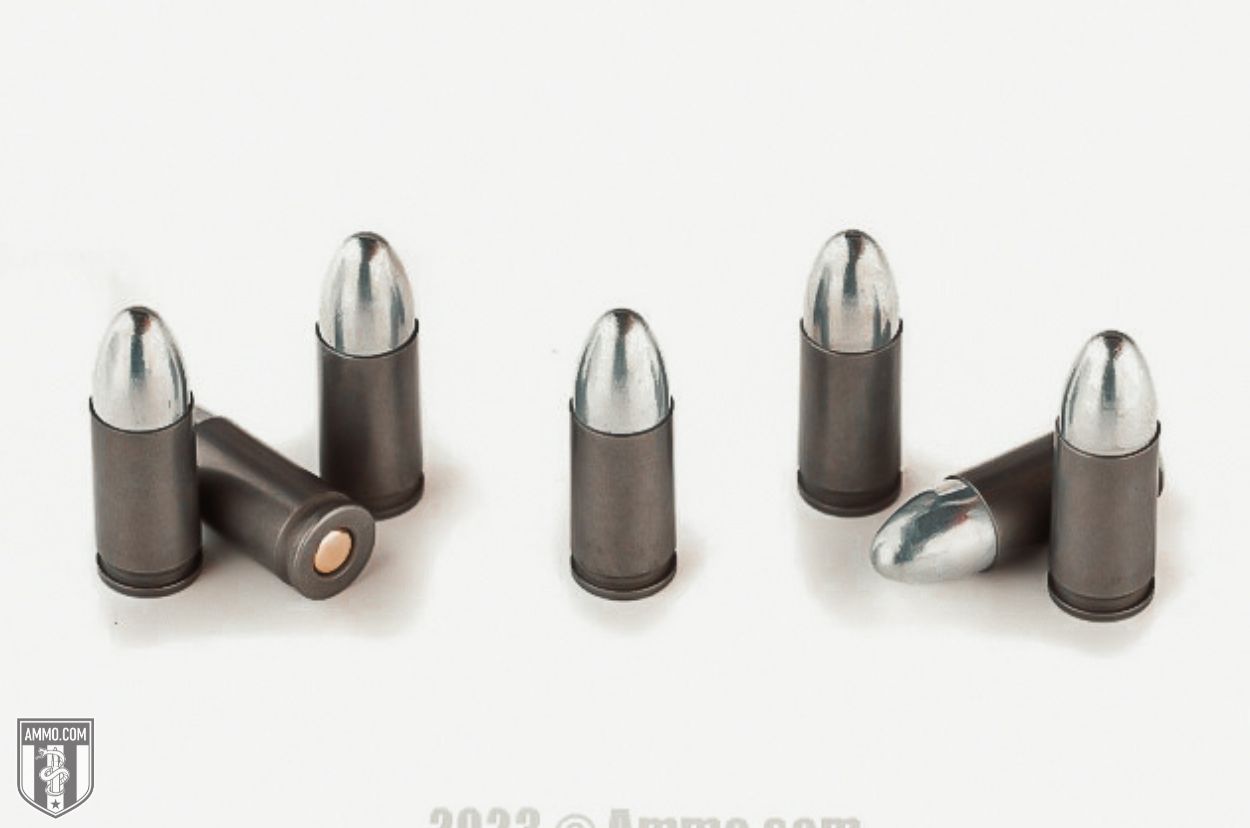
The first BPS 12 Gauge ammo rolled off the factory floor in 2016, quickly followed by 9x19mm Parabellum ammo in 2017.
When it comes to BPS 12 Gauge shotgun ammo, you have a ton of different options. With a wide assortment of birdshot, buckshot, and slugs to choose from, BPS aims to supply shotgunners everything they need to get busy.
One downside to BPS is that they only produce 12 Gauge, 9mm, and 5.56 NATO ammo. If you want cheap 308 Winchester for your Remington 700, 22 LR for your Ruger 10/22, or 45 ACP for your 1911, you’ll need to look elsewhere.
Several customer reviews of BPS ammo suggest it has hard primers, which can lead to failures to fire.
Although all the ammo we tested fired without issue, it is possible that older firearms – or those with weaker firing pin springs – might have problems igniting BPS primers.
In general, we like BPS. They offer a competitive product at a reasonable price point for what it is. You won’t get match-grade accuracy out of it, but, BPS 9mm and 5.56 is great for training at the range. We’d have no problem shooting some sporting clays with their shotgun ammo as well.
FAQ
Where is BPS ammo made?
BPS Ammunition is made in Balıkesir, Turkey.
Is BPS ammo corrosive?
No. BPS ammo is loaded with noncorrosive Boxer primers.
Is BPS ammo good for hunting?
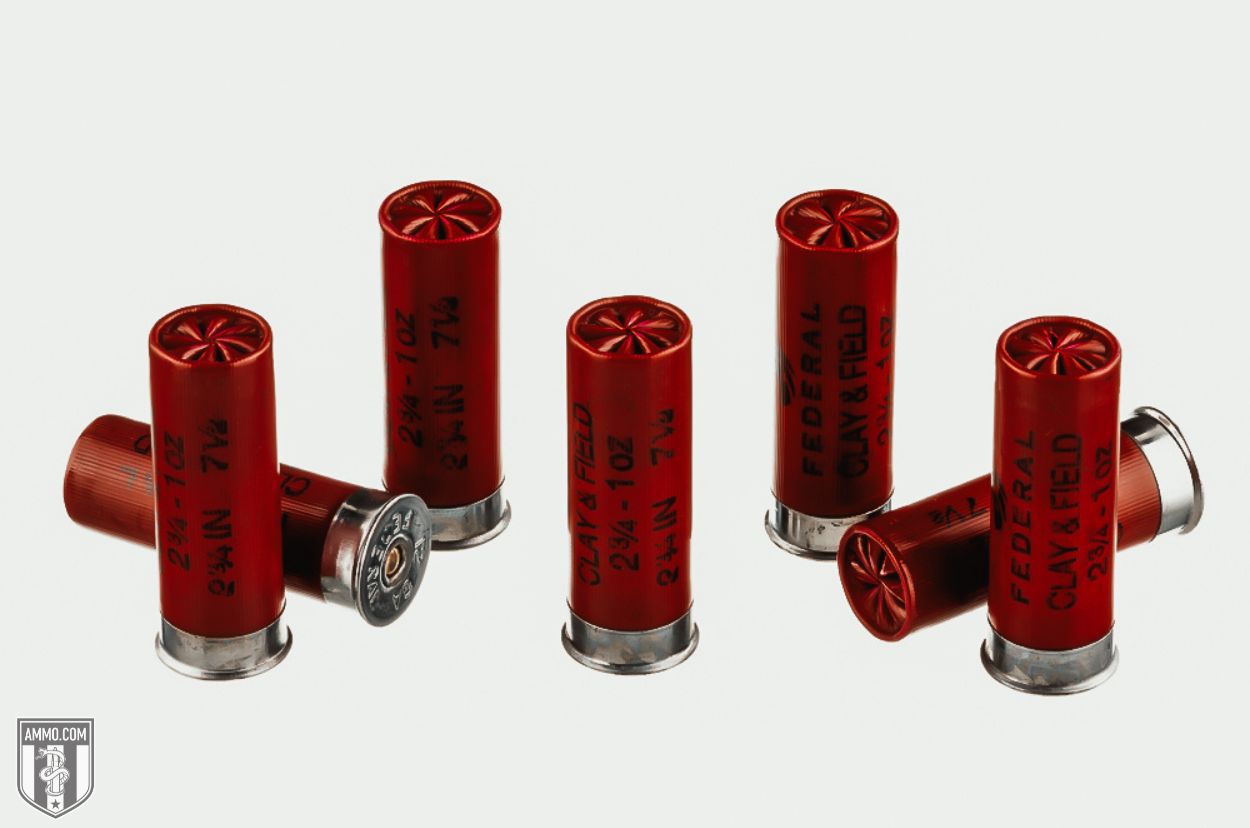
BPS 12 gauge shotshells are good for hunting big game and upland game. Loaded with slugs, buckshot, and birdshot, these shotgun shells are reliable and produce a fine pattern for bird, duck, and goose hunting.
Is BPS ammo accurate?
BPS ammo is more than accurate enough for target practice, plinking, and general range work. It is not match-grade, but it was accurate enough in our hands and produced acceptable groups.
What primers does BPS Ammunition use?
BPS uses noncorrosive Boxer primers in all their centerfire ammunition.
Are BPS cases good for reloading?
Yes! BPS uses Boxer-primed brass cases that are perfect for reloading.
Does BPS make 22 LR?
No. BPS Ammunition does not currently manufacture rimfire ammo.
Which BPS 9mm ammo is best for a Glock 17?
My favorite BPS ammo for my Glock 17 is their 124 grain FMJ target load. This cartridge has a muzzle velocity of 1,210 fps and a muzzle energy of 360 ft-lbs. It cycled my action without any hiccups and was great for target practice and plinking.
Subscribers Save Up to 15% on Ammo
Join hundreds of thousands of shooters getting first access to limited-time sales, price drops, and 2A news – delivered weekly. Private, no spam, one-click unsubscribe.

Ammo Manufacturer Reviews
- Hornady Ammo Review
- Speer Ammo Review
- Winchester Ammo Review
- Fiocchi Ammo Review
- Aguila Ammo Review
- Blazer Ammo Review
- Federal Ammo Review
- Remington Ammo Review
- Prvi Partizan Ammo (PPU) Review
- Black Hills Ammo Review
- Tula Ammo Review
- Wolf Ammo Review
- Nosler Ammo Review
- PMC Ammo Review
- Golden Bear Ammo Review
- Norma Ammo Review
- PCI Ammo Review
- Herter's Ammo Review
- Silver Bear Ammo Review
- Lake City Ammo Review
- CCI Ammo Review
- FedArm Ammo Review
- Brown Bear Ammo Review
- Armscor Ammo Review
- Sellier & Bellot Ammo Review
- Rio Royal Ammo Review
- Golden Tiger Ammo Review
- Sterling Ammo Review
- MBI Ammo Review
- Venom Ammo Review
- Sako Ammo Review
- Belom Ammo Review
- Igman Ammo Review
- Fetter Ammo Review
- Zero Bullets Review
- BPS Ammo Review
- Turan Ammo Review
- Sarsilmaz Ammo Review
- Precision One Ammo Review
- Ultramax Ammo Review
- NovX Ammo Review
- Barnaul Ammo Review
- Laser Ammo Review
- NobelSport Ammo Review
- Underwood Ammo Review
- Red Army Ammo Review
- Magtech Ammo Review
- Barnes Bullets Ammo Review
- Zinc Point Ammo Review
- MaxxTech Ammo Review
- Grizzly Ammo Review
- Federal Guard Dog Ammo Review
- Hornady Subsonic Rifle Ammo Review
- AAC Ammo Review