243 Recoil: How Hard Does the 243 Winchester Kick?
Is 243 recoil unmanageable for the average shooter? Not at all. In fact, 243 ammo is one of the best rifle cartridges for teaching young and recoil-sensitive shooters proper technique.
In this article, we’ll discuss exactly how much recoil the 243 Winchester produces, how it compares to other rifle cartridges, and how you can reduce its recoil if needed.
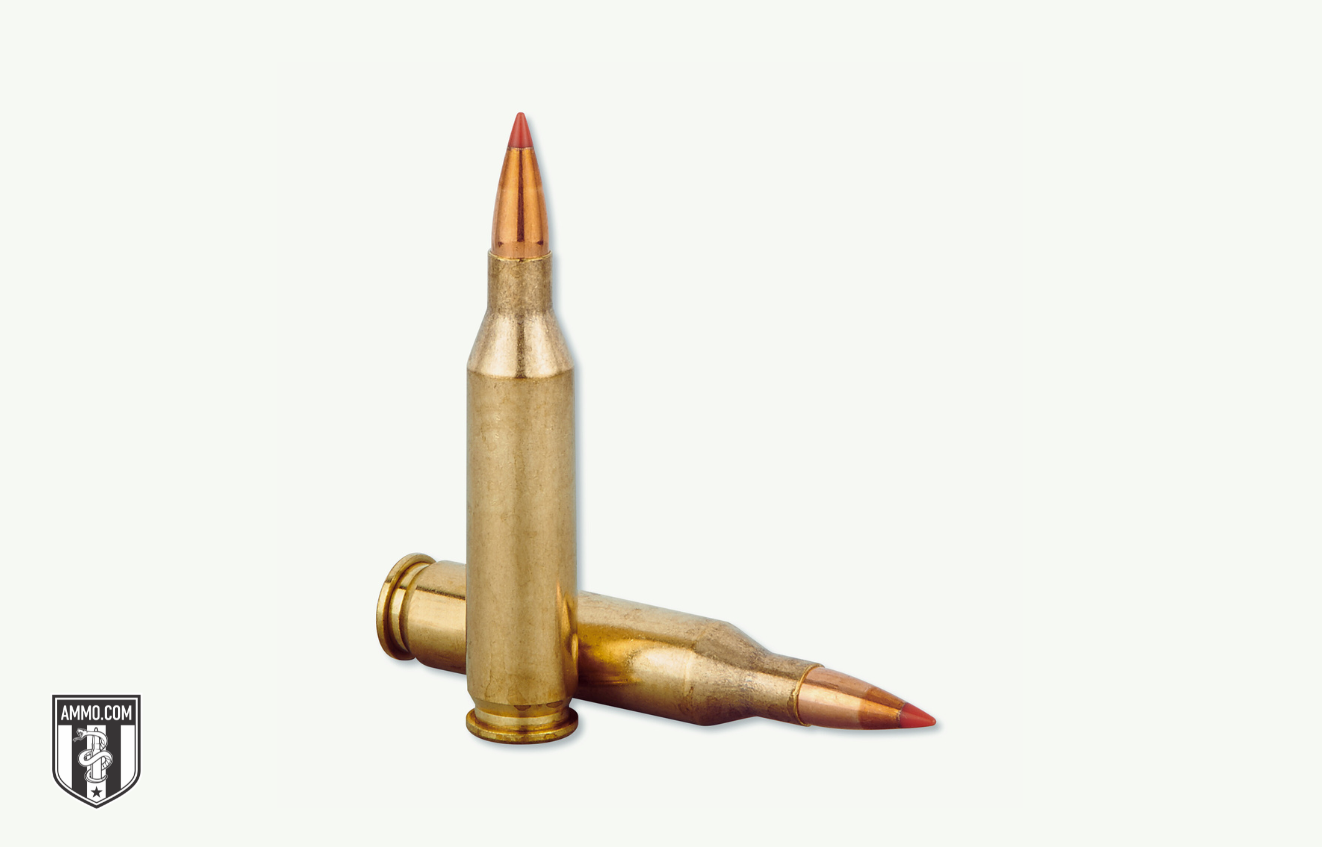
How Much Recoil Does 243 Have?
The 243 Winchester has an average of 9 ft-lbs of recoil. This figure varies depending on factors we'll discuss later, but it is well below the 15 ft-lbs threshold where most shooters begin feeling uncomfortable.
For reference, the 223 Remington has about 5 ft-lbs of free recoil, whereas the 308 Winchester has about 11 ft-lbs. While the 243 Winchester has more kick than the 223 Remington, it's still well within the comfort zone for most shooters.
Factors That Influence Recoil for 243 Winchester
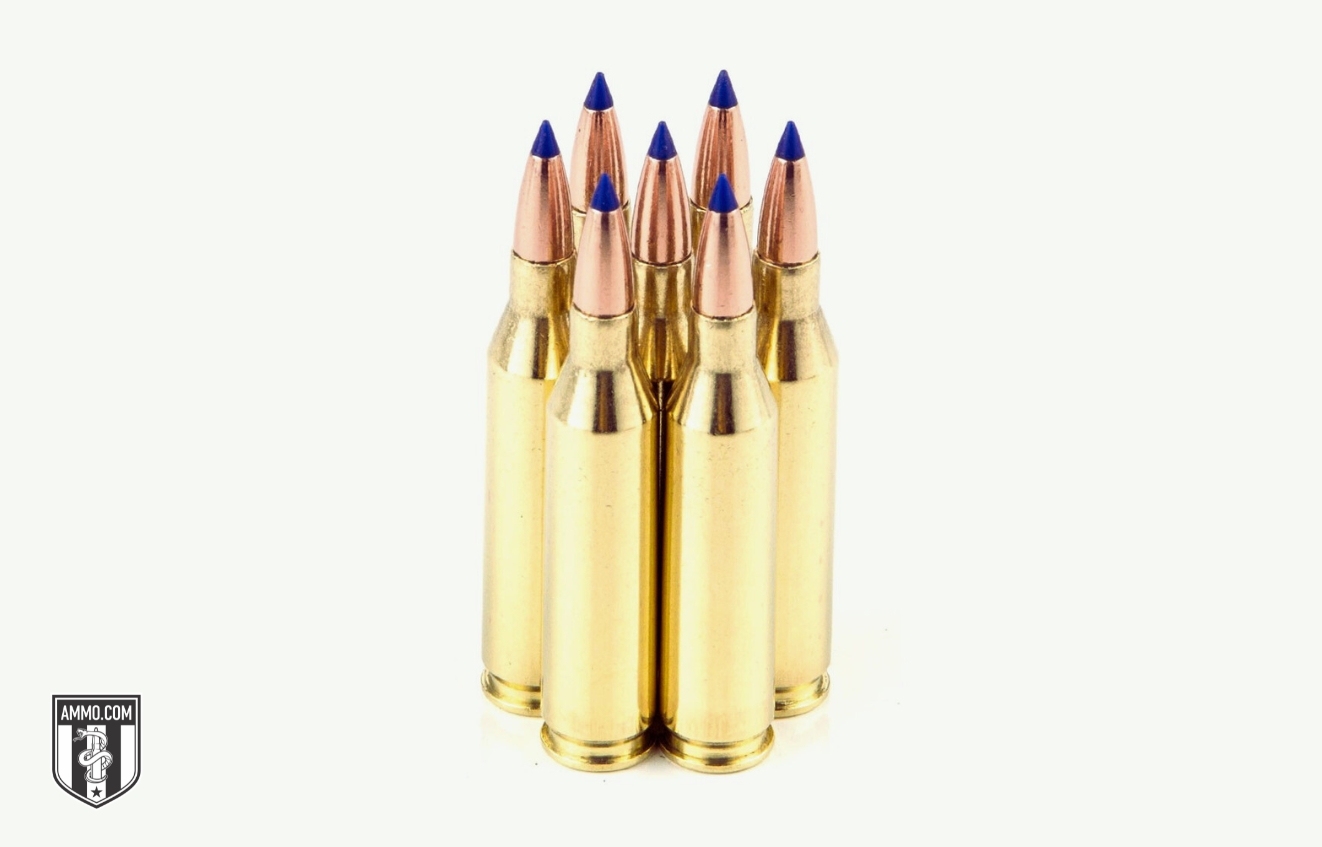
Felt recoil is subjective. It varies from shooter to shooter, making it an unreliable measurement of how much recoil a cartridge generates. A very experienced shooter might consider the 300 Winchester Magnum's 29 ft-lbs of recoil energy to be manageable if they're accustomed to firing a 338 Lapua Magnum, which has 41 ft-lbs of recoil. A new shooter, on the other hand, would say the 300 Win Mag is a shoulder bruiser.
Free recoil energy is an objective measure. It is determined solely by projectile weight, propellant weight, muzzle velocity, and rifle weight. For example, when a 243 Winchester cartridge with a propellant weight of 42 grains fires a 70 grain bullet at 3,500 fps from an 8-pound rifle, its free recoil energy equals 8.2 ft-lbs. When we increase bullet weight to 100 grains, lower muzzle velocity to 3,200 fps, and keep everything else the same, free recoil energy increases to 11 ft-lbs.
How 243 Recoil Compares to Other Calibers
The 243 Winchester's recoil is manageable compared to that of many other rifle cartridges. Check out the chart below to compare it to other standard rifle cartridges commonly used for deer hunting and target shooting.
| Cartridge | Free Recoil Energy |
|---|---|
| 300 Blackout | 4 ft-lbs |
| 223 Remington/5.56 NATO | 5.5 ft-lbs |
| 6.5 Grendel | 6 ft-lbs |
| 22 Nosler | 6.5 ft-lbs |
| 6.8 SPC | 6.8 ft-lbs |
| 22-250 Remington | 7.7 ft-lbs |
| 243 Winchester | 9 ft-lbs |
| 6mm Creedmoor | 11 ft-lbs |
| 6.5 Creedmoor | 12 ft-lbs |
| 6.5 PRC | 16 ft-lbs |
| 308 Winchester | 17.6 ft-lbs |
How to Reduce 243 Recoil
To reduce the 243 Winchester's recoil, use a heavier rifle, increase the weight of your existing gun, or use ammo with a lighter bullet and/or lower muzzle velocity. Installing a muzzle brake at the end of your barrel will also help make recoil more manageable during a long day of shooting. Replacing the butt pad on the stock with a more forgiving one will also help reduce shoulder wear.
I recommend combining all the above methods to reduce the recoil as much as possible. If you still feel that recoil is too much to manage, it's likely time to find a more recoil-friendly cartridge like the 6.5 Grendel or 300 Blackout. It's also important to note that the more often you shoot and practice proper form, the less the recoil will affect you. This is another reason why proper training is essential for every shooter and hunter.
Final Take: Is 243 a Good Choice for Recoil-Sensitive Shooters?
Yes, the 243 is a good choice for recoil-sensitive shooters. Its recoil energy is well below 15 ft-lbs (the threshold at which recoil becomes very uncomfortable), but it maintains enough stopping power to be an effective hunting cartridge. It also won't bruise your shoulder after a long day at the range.
The 243 Winchester is often a top choice for young deer hunters because it doesn't kick much but has plenty of power to harvest a deer ethically.
Subscribers Save Up to 15% on Ammo
Join hundreds of thousands of shooters getting first access to limited-time sales, price drops, and 2A news – delivered weekly. Private, no spam, one-click unsubscribe.