260 Remington Ballistics From Every Major Ammo Manufacturer
Congrats! You discovered our in-depth look at 260 Remington ballistics from major ammo manufacturers.
Click the links below to skip to your favorite ammunition company and find the 260 Remington ballistics data you need for your preferred factory ammo.
260 Remington Ballistics Charts
Barnes 260 Rem Ballistics
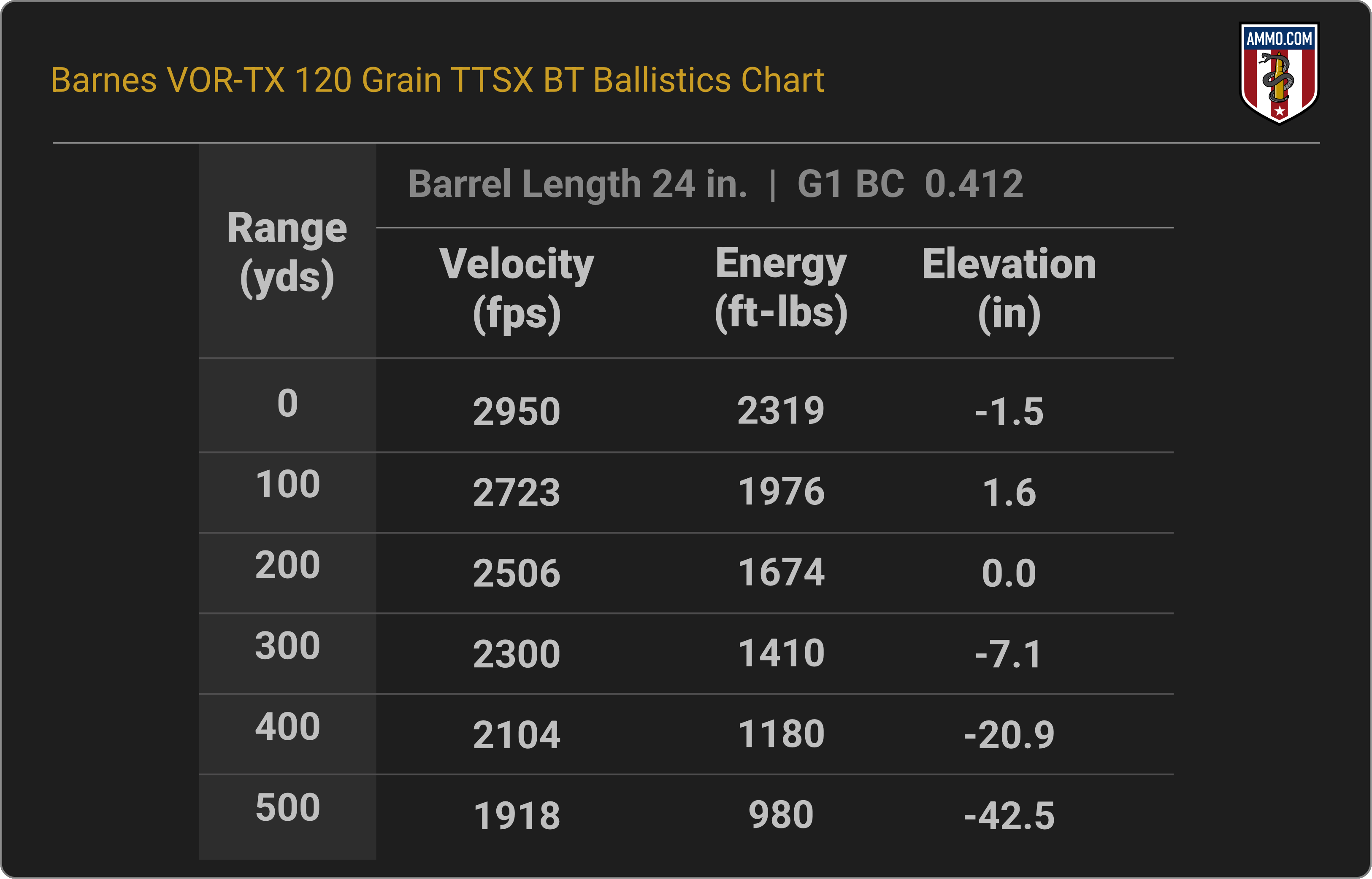
VOR-TX 120 Grain TTSX BT
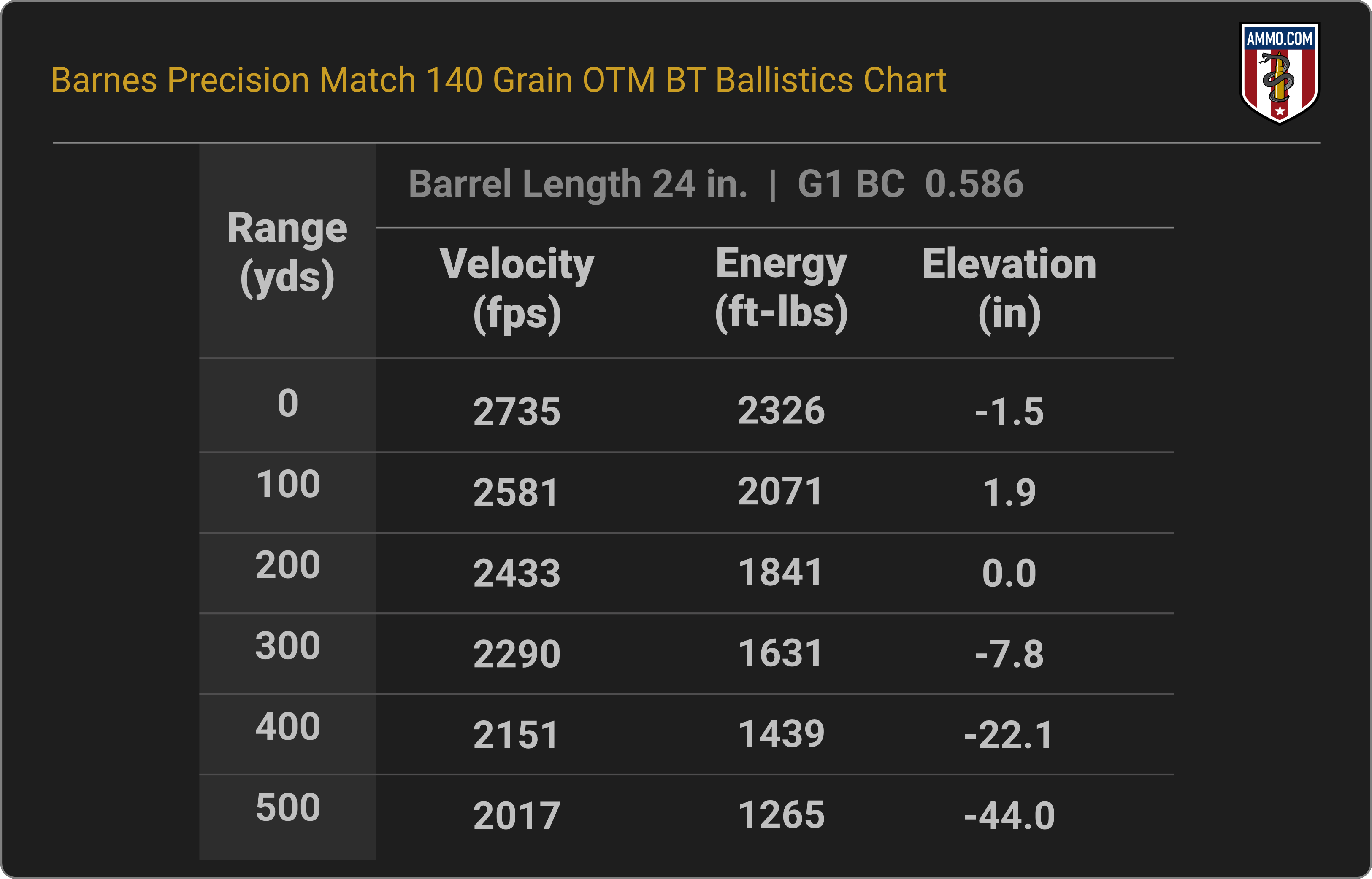
Precision Match 140 Grain OTM BT
Berger 260 Rem Ballistics
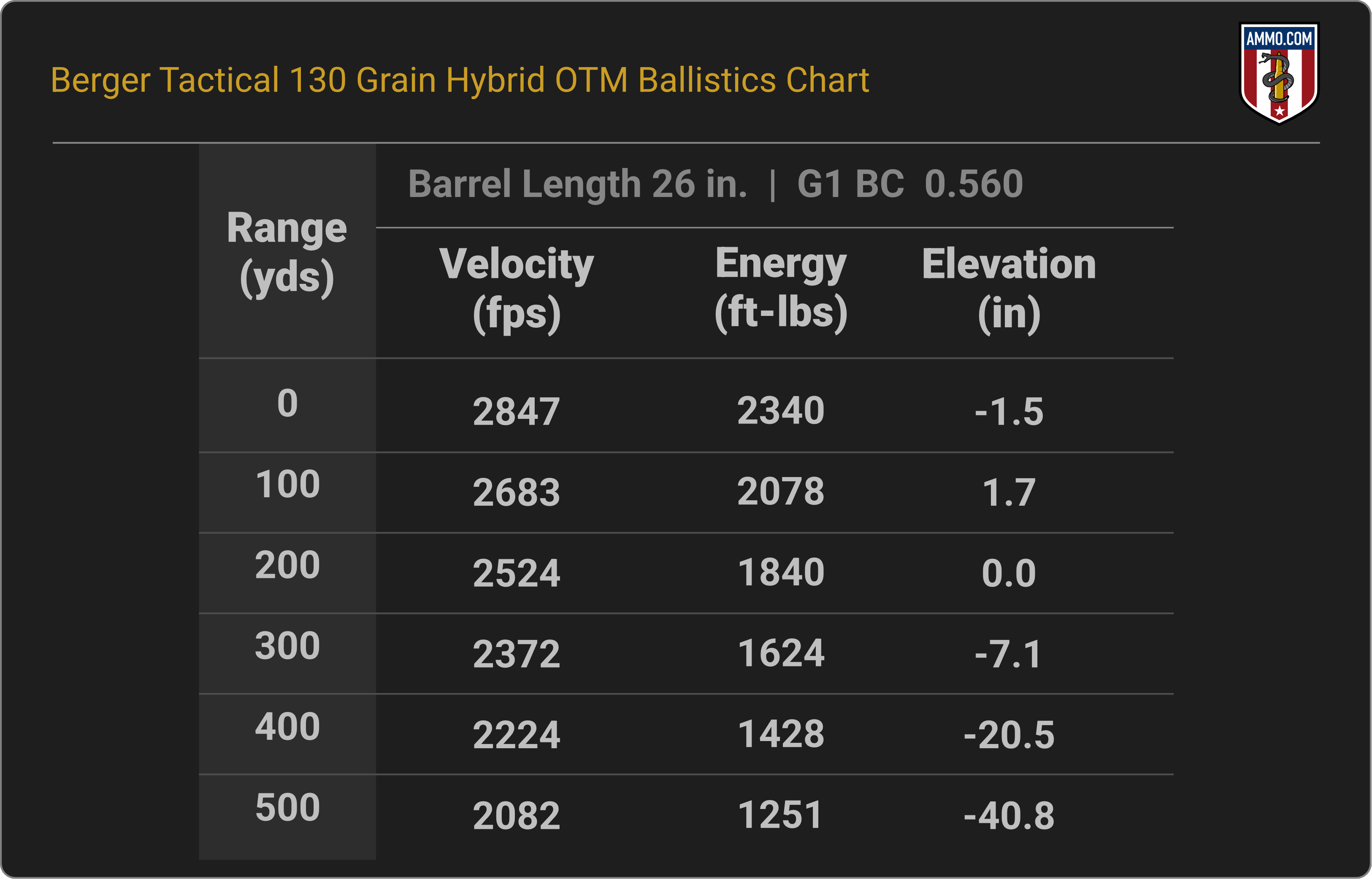
Tactical Rifle 130 Grain Hybrid OTM
Hornady 260 Rem Ballistics
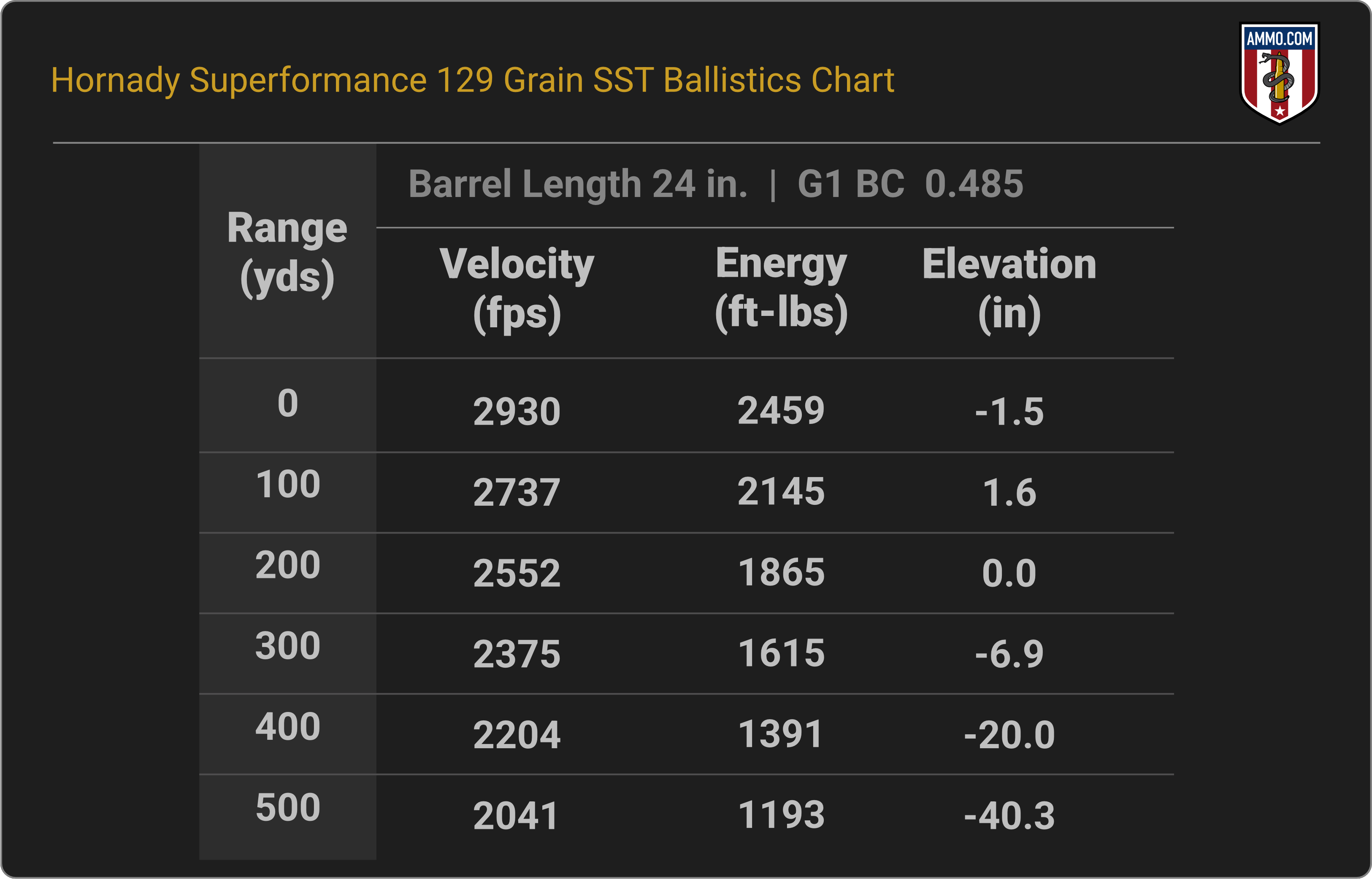
Superformance 129 Grain SST
Match 130 Grain ELD Match
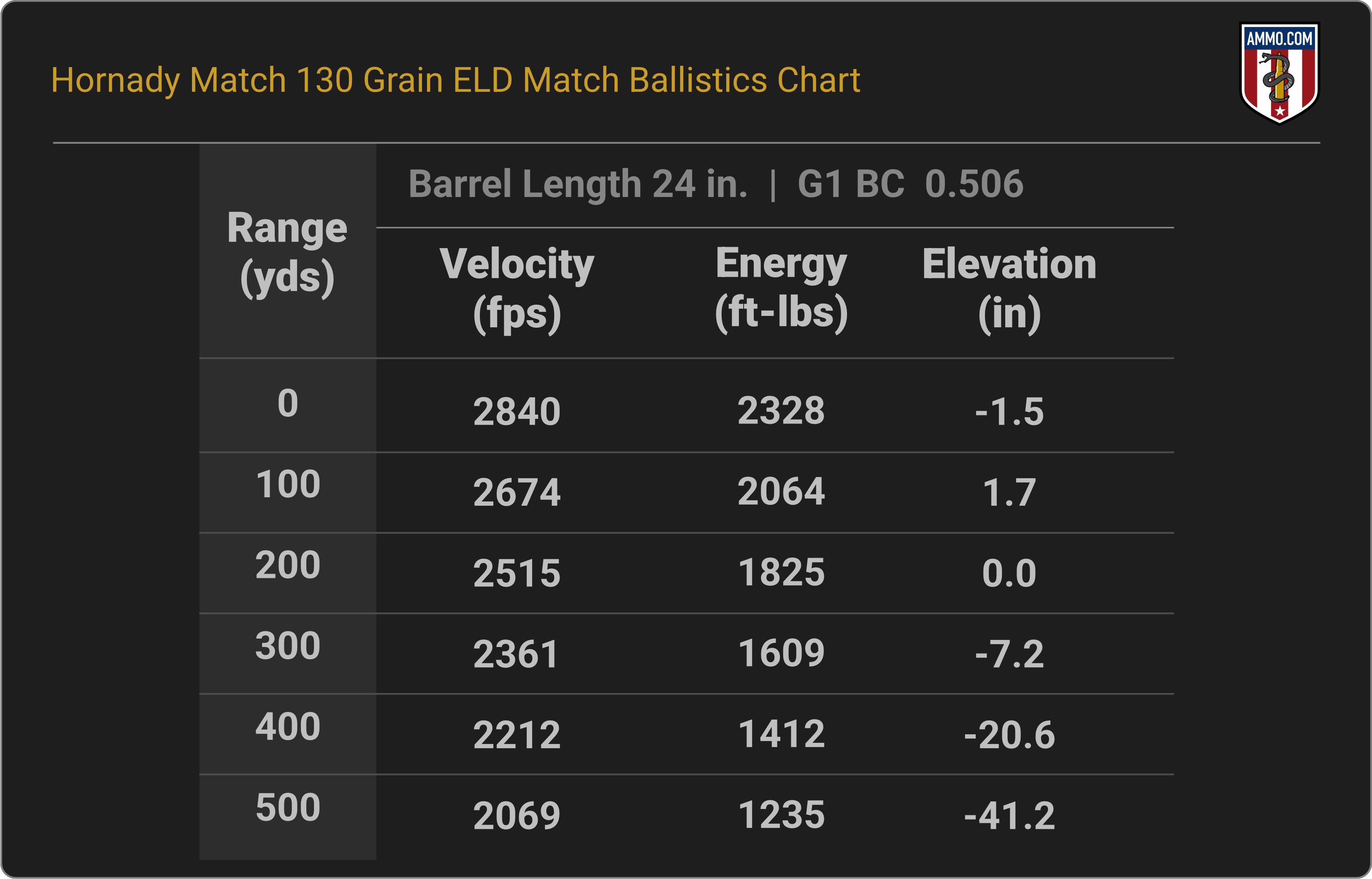
Nosler 260 Rem Ballistics
120 Grain Ballistic Tip
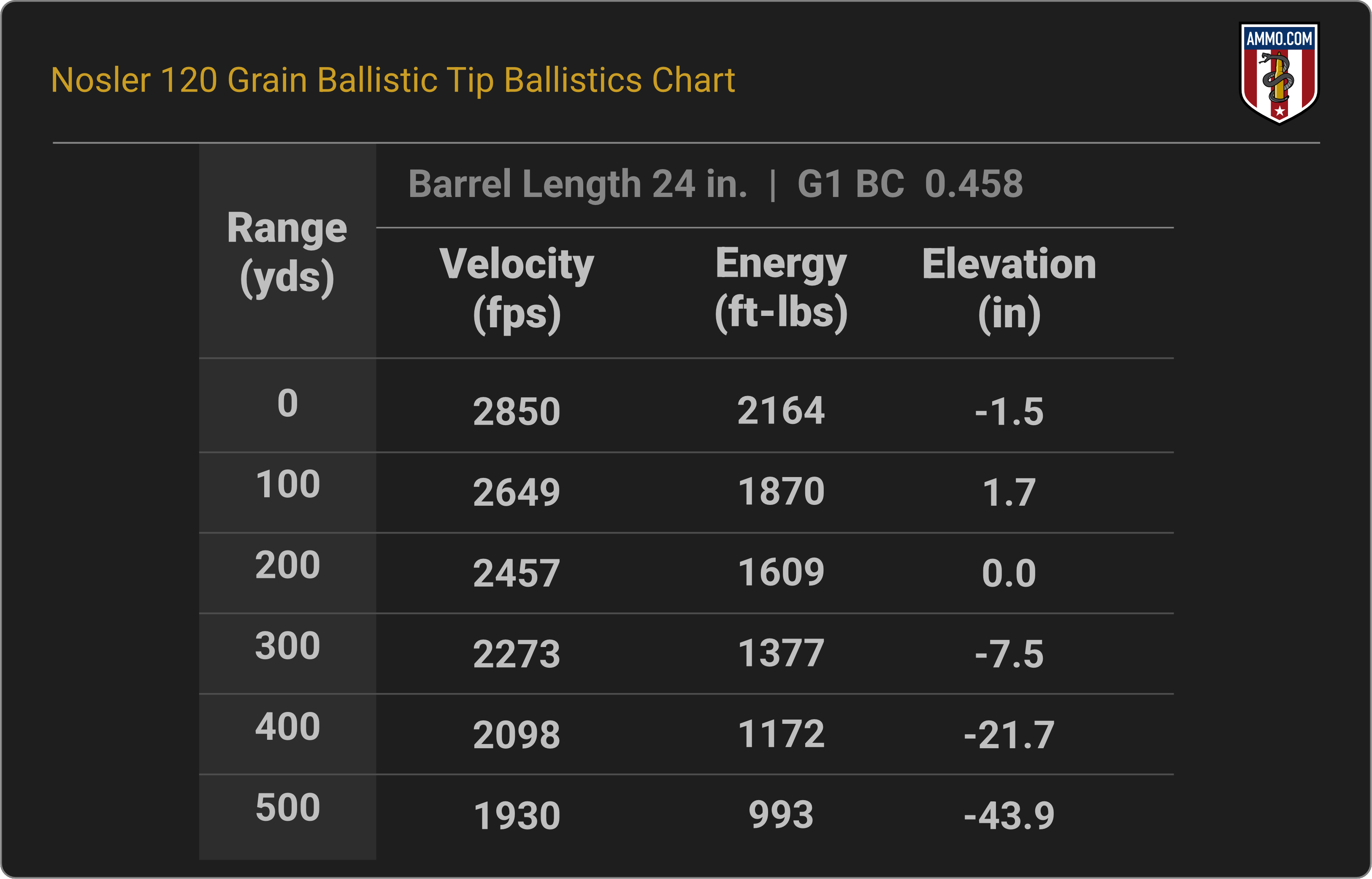
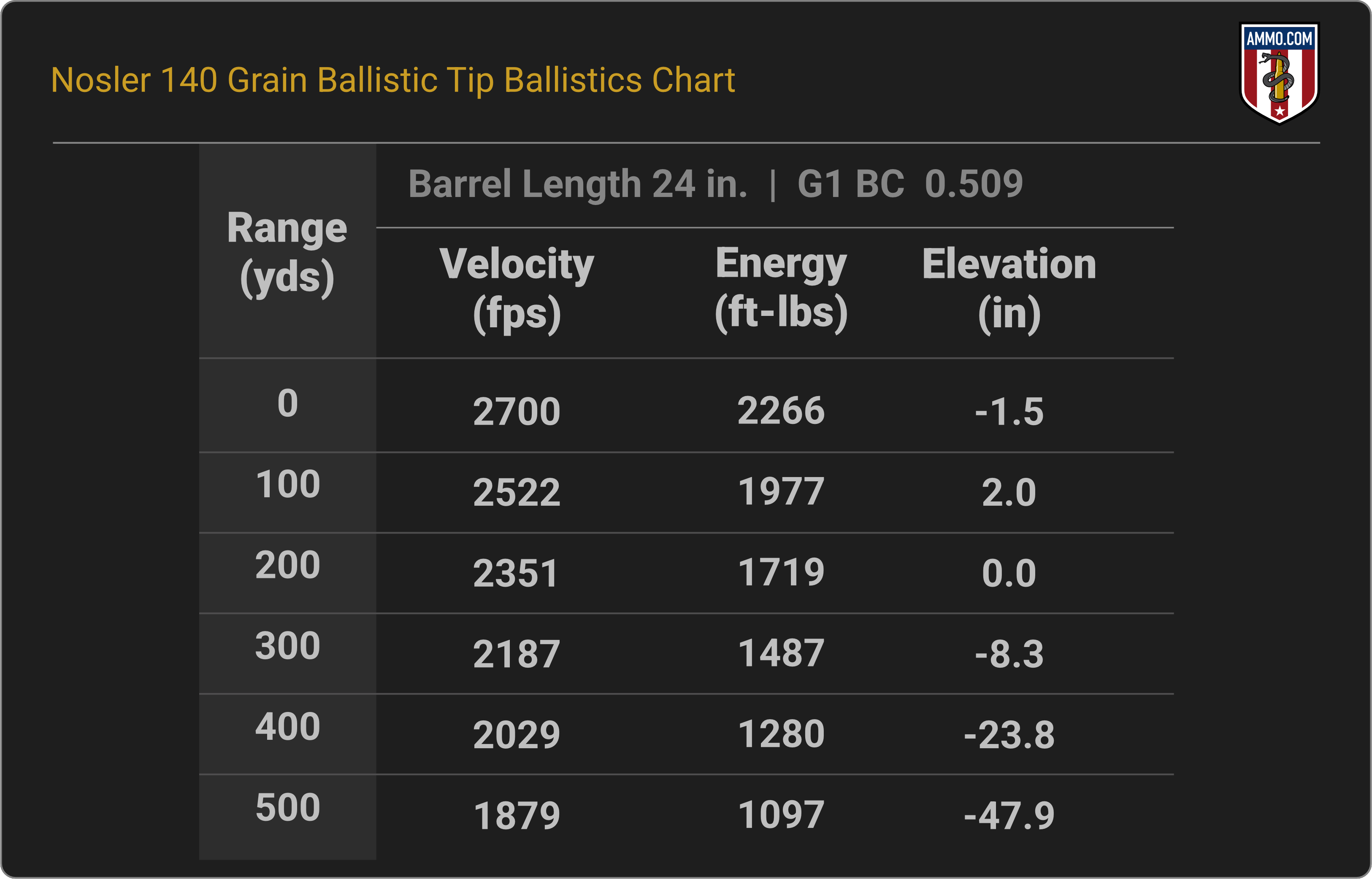
140 Grain Ballistic Tip
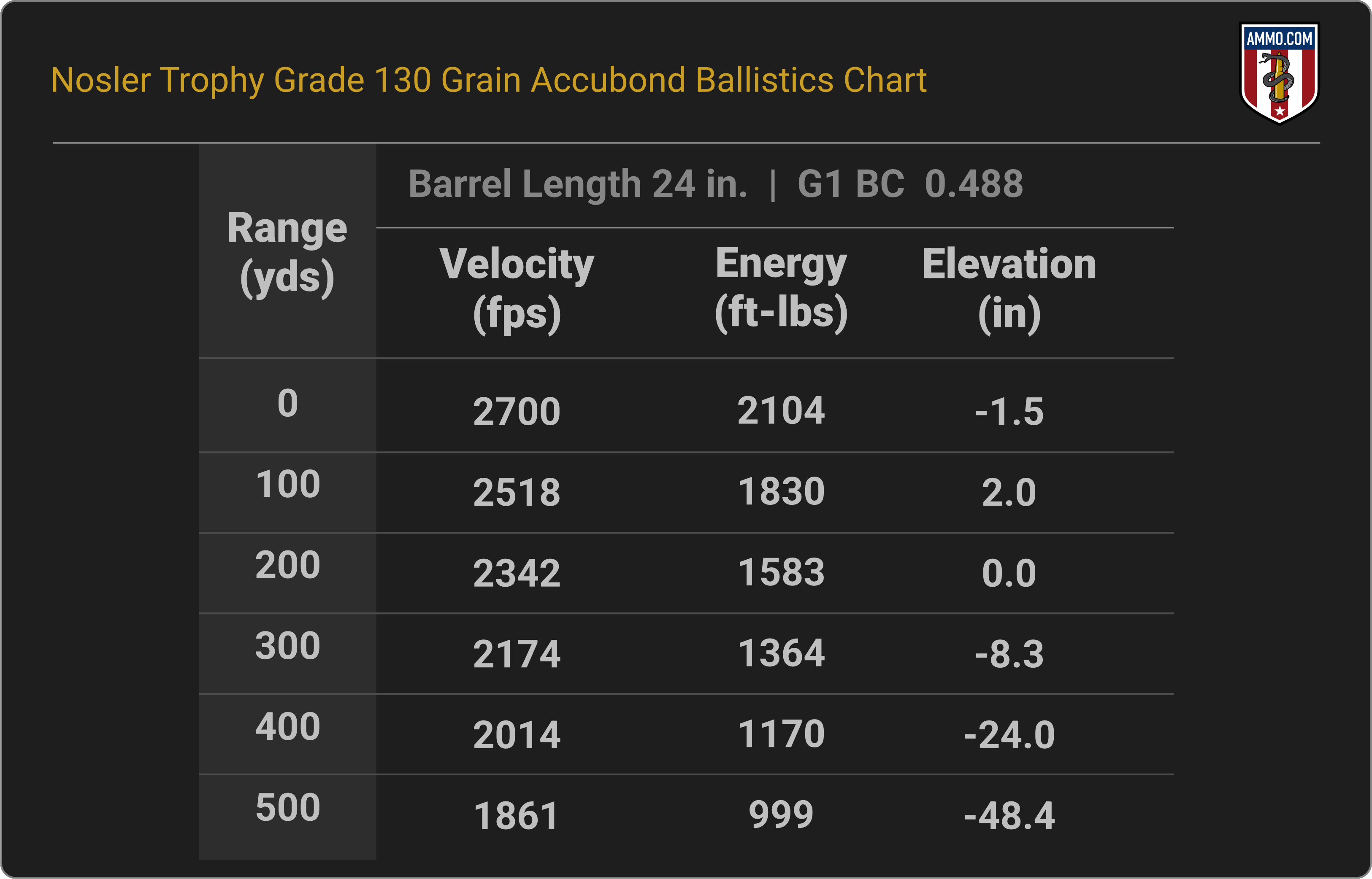
Trophy Grade 130 Grain AccuBond
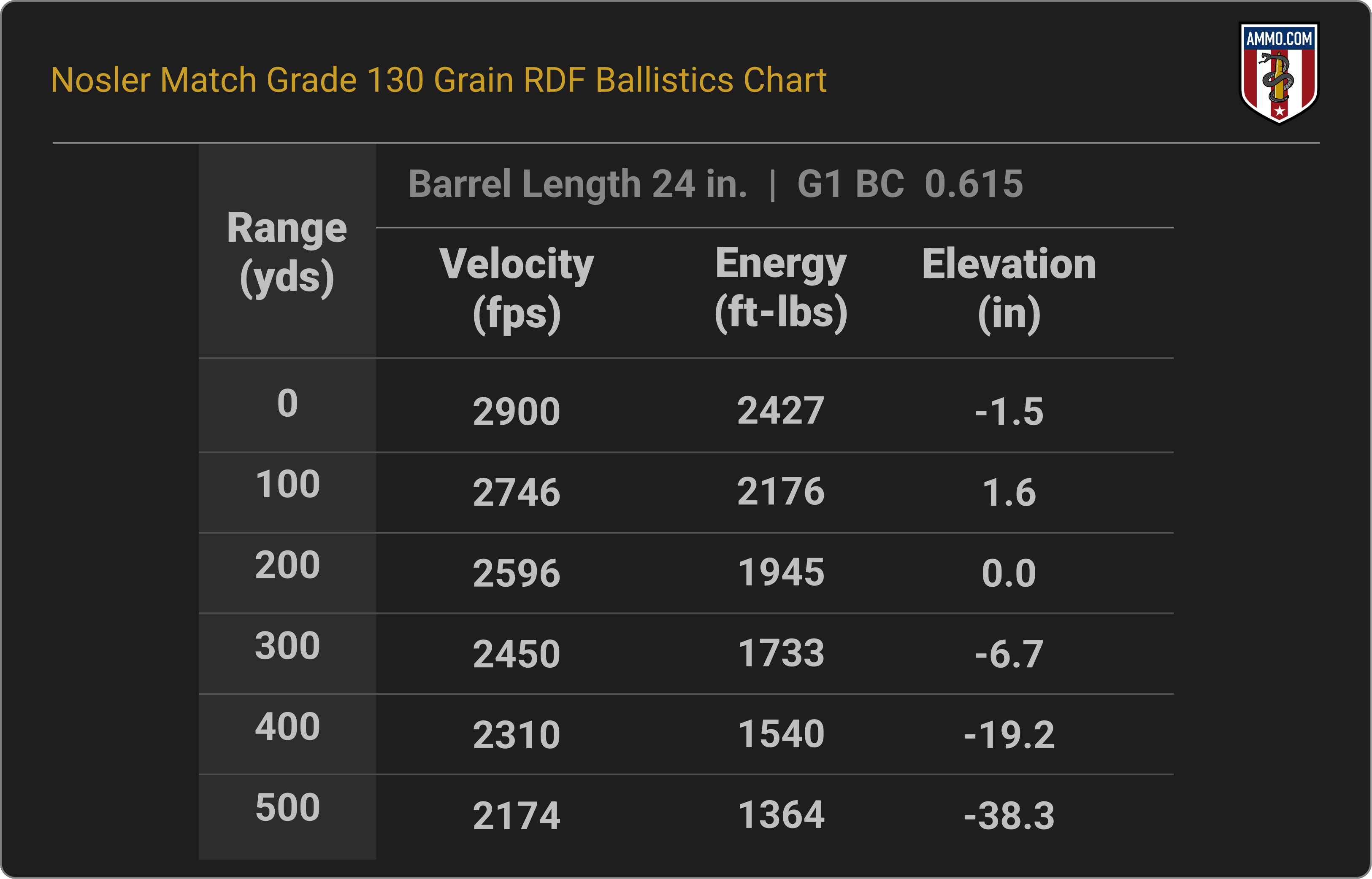
Match Grade 130 Grain RDF
Remington 260 Rem Ballistics
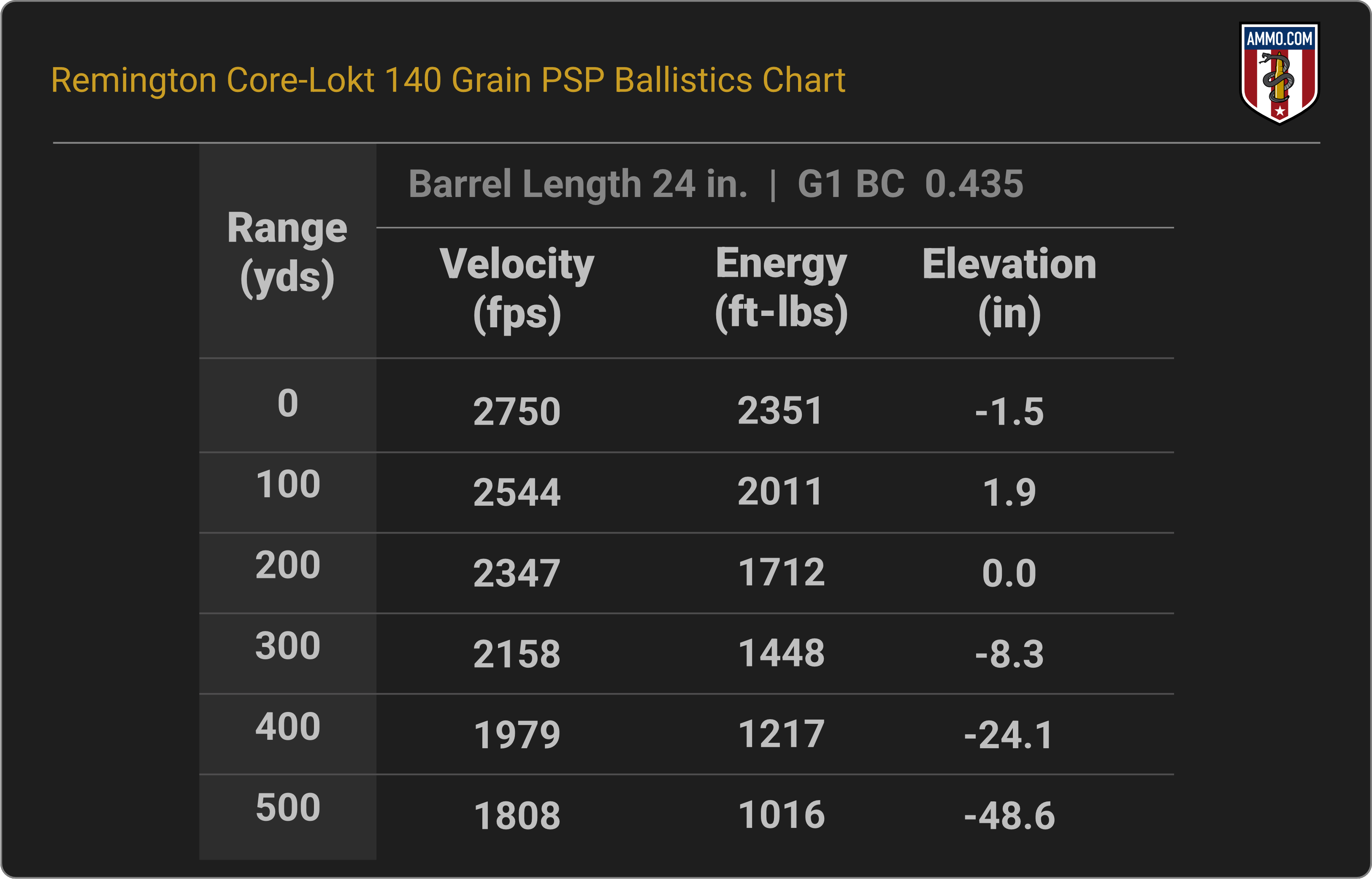
Core-Lokt 140 Grain PSP
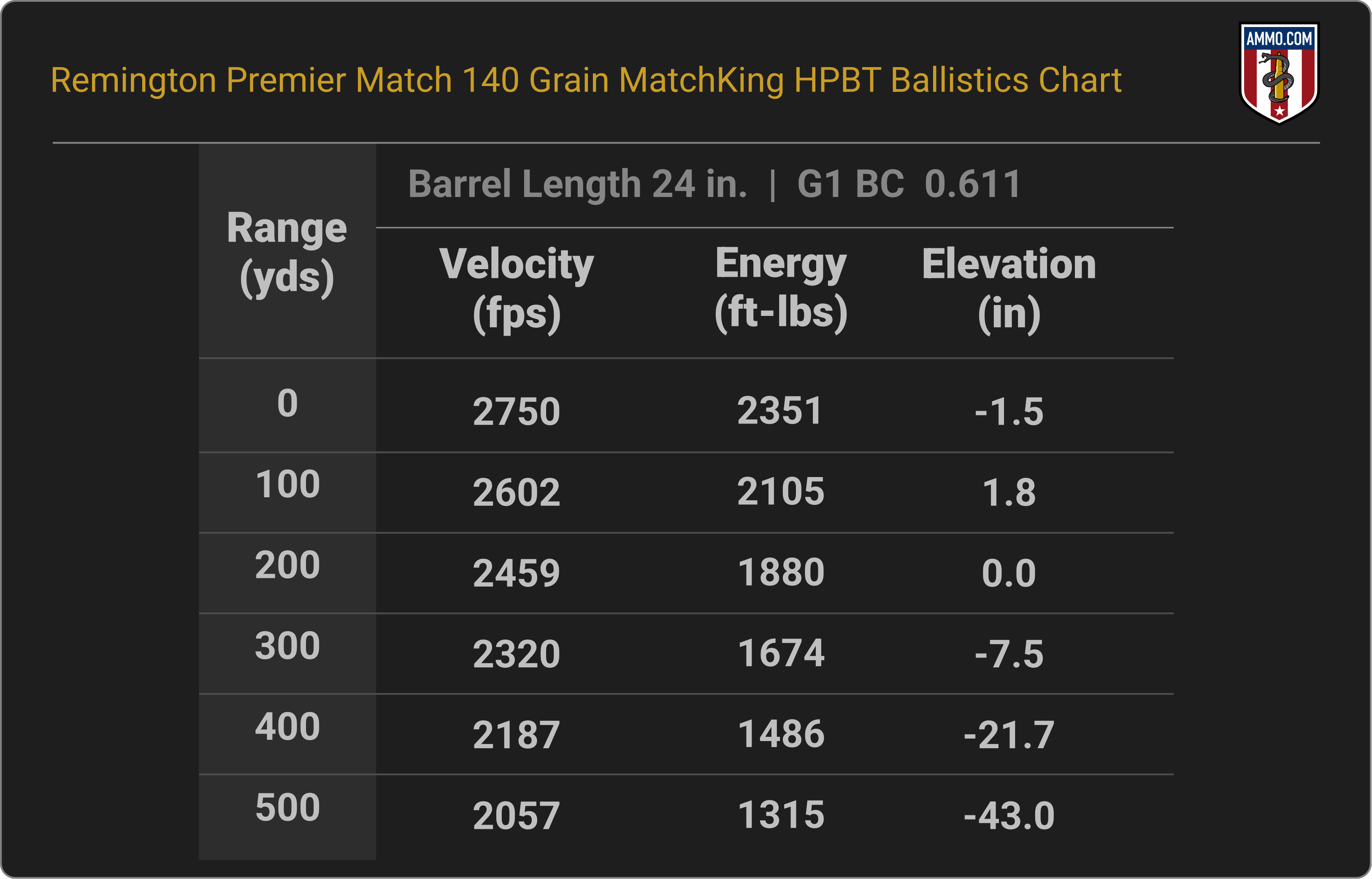
Premier Match 140 Grain MatchKing HPBT
Administrative Note: The information above is provided by ammo manufacturers. Actual ballistics obtained with your firearm can vary considerably from advertised ballistics. Ballistics can also vary from lot to lot, even within the same brand and type. When the manufacturer's ballistic data were unavailable, we calculated them using a ballistic calculator.
260 Remington Trajectory Chart
A bullet's trajectory is its flight path. Shooters measure trajectory in inches of bullet drop, milliradians (MIL), or minutes of angle (MOA). I used inches of bullet drop to create this article’s trajectory chart.
A flatter trajectory is preferred for long-range shooting because it allows shooters to compensate less for bullet drop. The 260 Rem has a flat trajectory similar to the 6.5 Creedmoor’s – the reason why it’s often used in shooting matches. When zeroed at 200 yards with a sight height of 1.5”, a 140 grain Ballistic Tip with 2,700 fps muzzle velocity drops -8.3" at 300 yards; -47.9" at 500. A 120 grain Ballistic Tip exiting the muzzle at 2,850 fps will drop -7.5" at 300 yards; -43.9" at 500.
Here is a sample 260 Rem bullet drop chart to give you a general idea of the 260 Remington's trajectory.
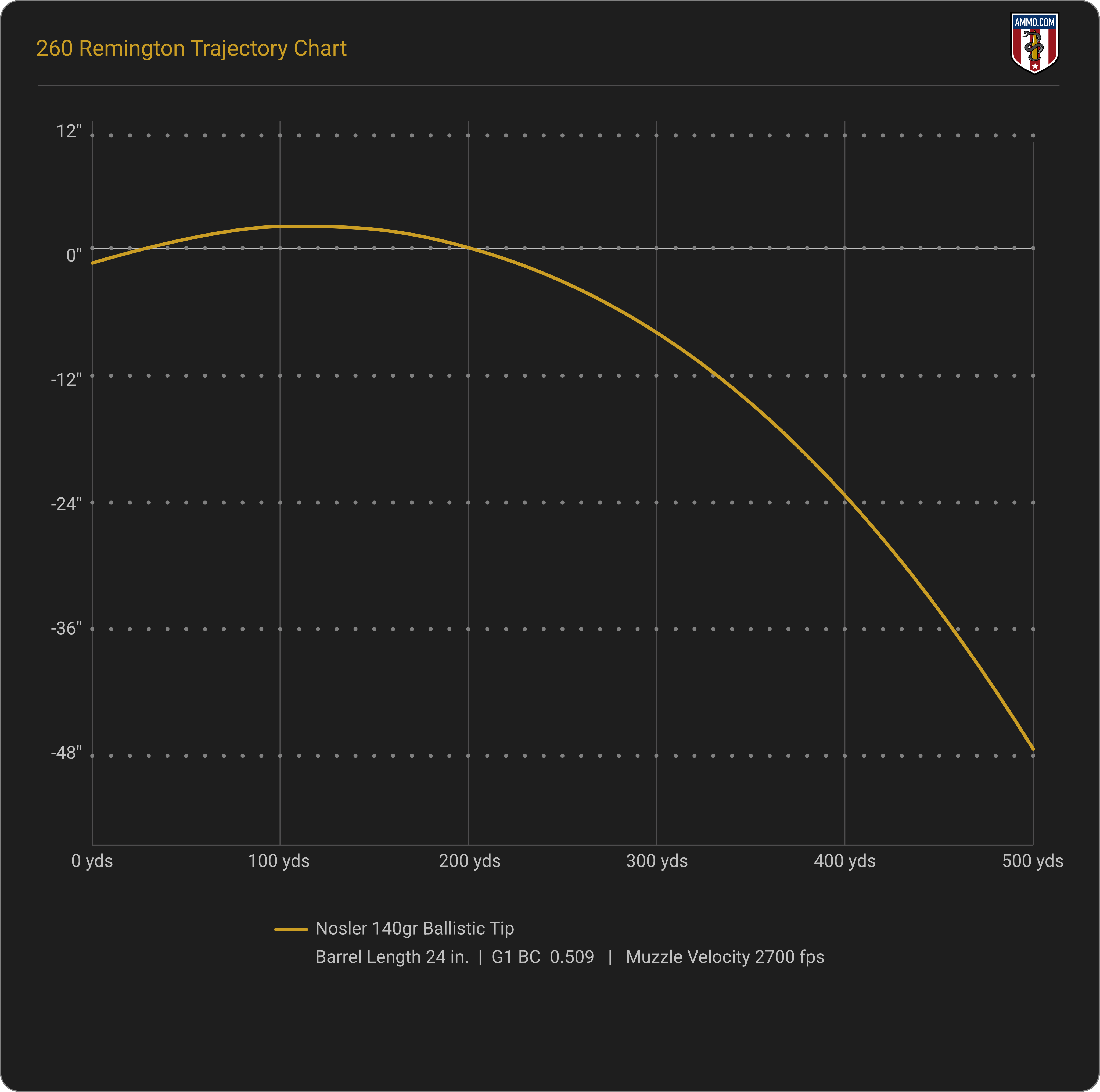
Note: The chart above is an example of one 260 Remington load. Actual ballistic performance varies depending on bullet weight, lot, barrel length, and environmental conditions.
260 Remington Velocity
Muzzle velocity is the rate at which a bullet exits the barrel, measured in feet per second (fps). Typically, a longer barrel produces a higher muzzle velocity, as its extra length gives exploding propellant more time to exert its energy against the base of the projectile. A 24” barrel is common for the 260 Remington, but it can range from 20” to 26” or even longer depending on the application the rifle is designed for.
Expect 260 Rem muzzle velocities to range from about 2,700 fps to 2,950 fps. The bullets’ medium to high ballistic coefficients (BCs) mean they do a good job of conserving velocity downrange. If a 120 grain TTSX bullet (0.412 G1 BC) attains 2,950 fps muzzle velocity, its velocity slows to 2,300 fps at 300 yards. At 500 yards, its velocity becomes 1,918 fps. A 140 grain Ballistic Tip (0.509 G1 BC) that attains 2,700 fps muzzle velocity still cruises at 2,187 fps at 300 yards. By 500 yards, its velocity slows to only 1,879 fps.
260 Remington Kinetic Energy
Muzzle energy is the amount of force a bullet possesses the instant it leaves the barrel, measured in foot-pounds (ft-lbs). The 260 Remington tends to have middle-of-the-road muzzle energy relative to those of other rifle cartridges.
Muzzle energy for the 260 Remington typically ranges from about 2,104 to 2,459 ft-lbs. The round's medium- to high-BC bullets do a decent job of conserving kinetic energy downrange. A 120 grain TTSX (0.412 G1 BC) with 2,950 fps muzzle velocity and 2,319 ft-lbs muzzle energy maintains 1,410 ft-lbs of energy at 300 yards; 980 ft-lbs at 500 yards. A 140 grain Ballistic Tip (0.509 G1 BC) with 2,700 fps muzzle velocity and 2,266 ft-lbs muzzle energy conserves 1,487 ft-lbs of energy at 300 yards; 1,097 ft-lbs at 500 yards.
260 Remington Effective Range
The 260 Remington's effective range for hunting and tactical applications is 500 yards. It conserves sufficient energy to ethically harvest whitetail and other medium game at that range, and exhibits a reasonably flat trajectory to the same.
The 260 Rem is also a capable long-range target cartridge. Thousand-yard shots are not out of the question when a skilled marksman is pulling the trigger.
Weighing the 260 Rem against other options for a specific animal? Our hunting caliber chart lays out recommended calibers by game type, and our guide to the best caliber for deer hunting covers the most popular choices.
How Do 260 Remington Ballistics Compare to Other Rifle Cartridges?
The Ammo.com team compared the 260 Remington to the 6.5 Creedmoor to help you better understand its ballistic performance.
260 Remington vs. 6.5 Creedmoor Ballistics
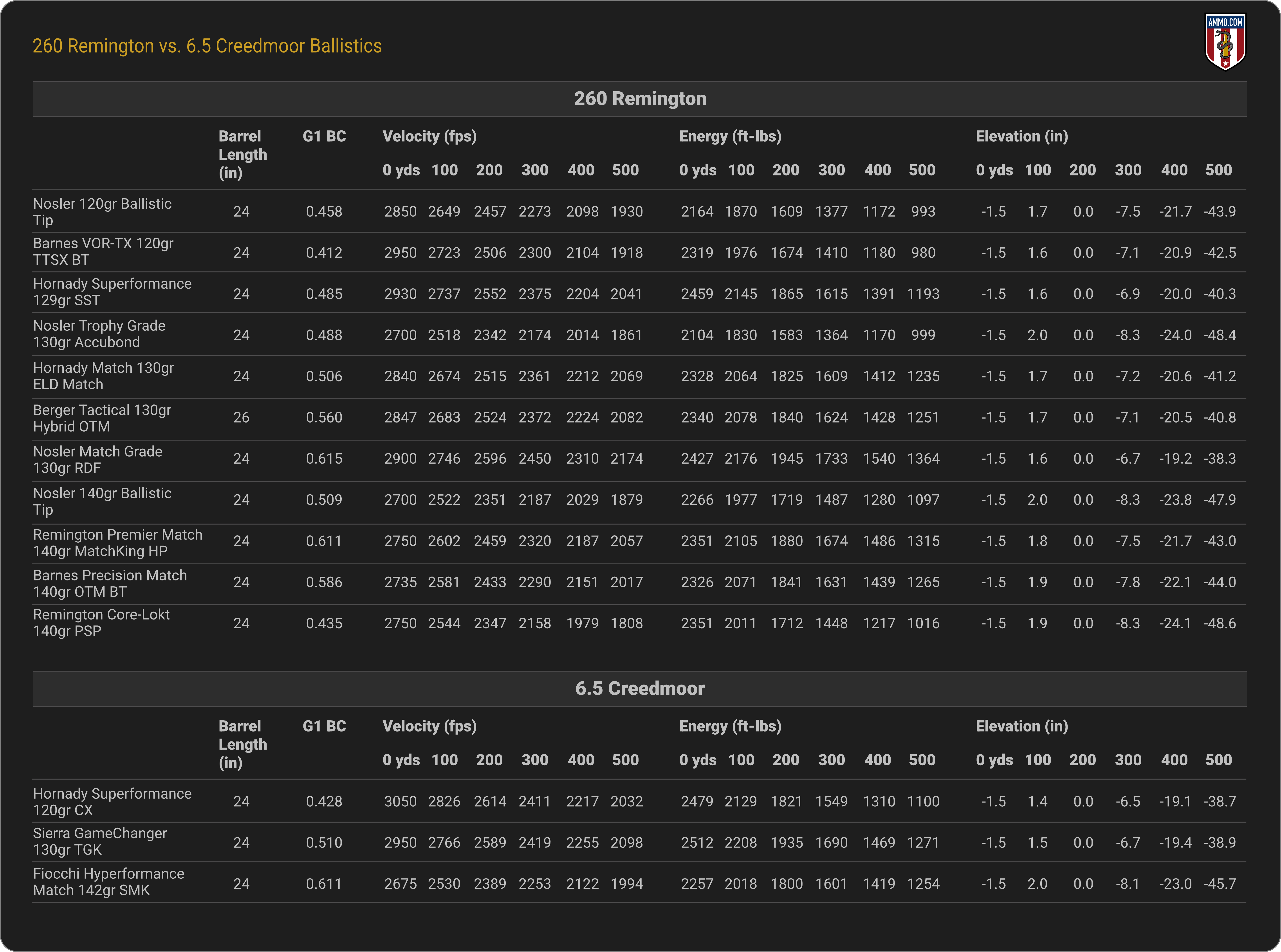
Don’t miss a more in-depth look at 260 Rem vs. 6.5 Creedmoor!
The 6.5 Creedmoor is the 260’s closest rival, and we cover it in depth: browse our selection of 6.5 Creedmoor ammo, read our 6.5 Creedmoor ballistics breakdown, see which loads shoot tightest in our picks for the best 6.5 Creedmoor ammo for accuracy, or find out what the round kicks like in our 6.5 Creedmoor recoil guide.
This article is part of our full library of ballistics chart resources, where you can also read up on 308 Winchester ballistics.
Subscribers Save Up to 15% on Ammo
Join hundreds of thousands of shooters getting first access to limited-time sales, price drops, and 2A news – delivered weekly. Private, no spam, one-click unsubscribe.

Ballistic Charts
- 308 Ballistics Charts
- 6mm ARC Ballistic Charts
- 10mm Auto Ballistics Charts
- 224 Valkyrie Ballistics Charts
- 204 Ruger Ballistics Charts
- 30-30 Ballistics Charts
- 6.8 SPC Ballistics Charts
- 350 Legend Ballistics Charts
- 300 Blackout Ballistics Charts
- FN 5.7x28 Ballistic Charts
- 7.62x39 Ballistics Charts
- 22 Creedmoor Ballistics Charts
- 300 PRC Ballistics Charts
- .360 Buckhammer Ballistics Charts
- 8.6 Blackout Ballistics Charts
- 30-06 Ballistics Charts
- 44 Magnum Ballistics Charts
- 7mm-08 Ballistics Charts
- 7mm Rem Mag Ballistics Charts
- 300 Win Mag Ballistics Charts
- 270 Win Ballistics Charts
- 45 Long Colt Ballistics Charts
- 6.5 Creedmoor Ballistics Charts
- 40 S&W Ballistics Charts
- 243 Win Ballistics Charts
- 357 Magnum Ballistics Charts
- 380 ACP Ballistics Charts
- 45 ACP Ballistics Charts
- 223 Rem Ballistics Charts
- 450 Bushmaster Ballistics Charts
- 400 Legend Ballistics Charts
- 5.56 Ballistics Charts
- 9mm Ballistics Charts
- 28 Nosler Ballistics Charts
- 45-70 Ballistics Charts
- 6.5 PRC Ballistics Charts
- 22-250 Ballistics Charts
- 22 Hornet Ballistics Charts
- 7mm PRC Ballistics Charts
- 22 ARC Ballistics Charts
- 6.8 Western Ballistics Charts
- 7mm Backcountry Ballistics Charts
- 338 ARC Ballistics Charts
- 25 Creedmoor Ballistics Charts
- 300 WSM Ballistics Charts
- 300 WSM Ballistics Charts
- 6mm Creedmoor Ballistics Charts
- 277 Fury Ballistics Charts
- 338 Lapua Ballistics Charts
- 25-06 Ballistics Charts
- 50 BMG Ballistics Charts
- 17 HMR Ballistics Charts
- 338 Win Mag Ballistics Charts
- 6.5 Grendel Ballistics Charts
- 458 Socom Ballistics Charts
- 35 Whelen Ballistics Charts
- 260 Remington Ballistics
- 444 Marlin Ballistics
- 38 Special Ballistics