25 Creedmoor Ballistics Tables From Factory Ammo
You've discovered our in-depth look at 25 Creedmoor ballistics from the top ammo manufacturers.
Save time by clicking the links below to skip to your preferred ammo companies and find the data you need for your favorite factory loads.
25 Creedmoor Ballistics Charts
Jump to an ammo company producing this rifle cartridge: Choice Ammunition | Hornady
Choice Ammunition
Jump to a ballistics chart: 110 Grain Nosler AccuBond | 115 Grain Barnes TSX | 120 Grain Nosler Partition | 127 Grain Hammer Hunter | 133 Grain Berger Elite Hunter | 135 Grain Berger Hybrid
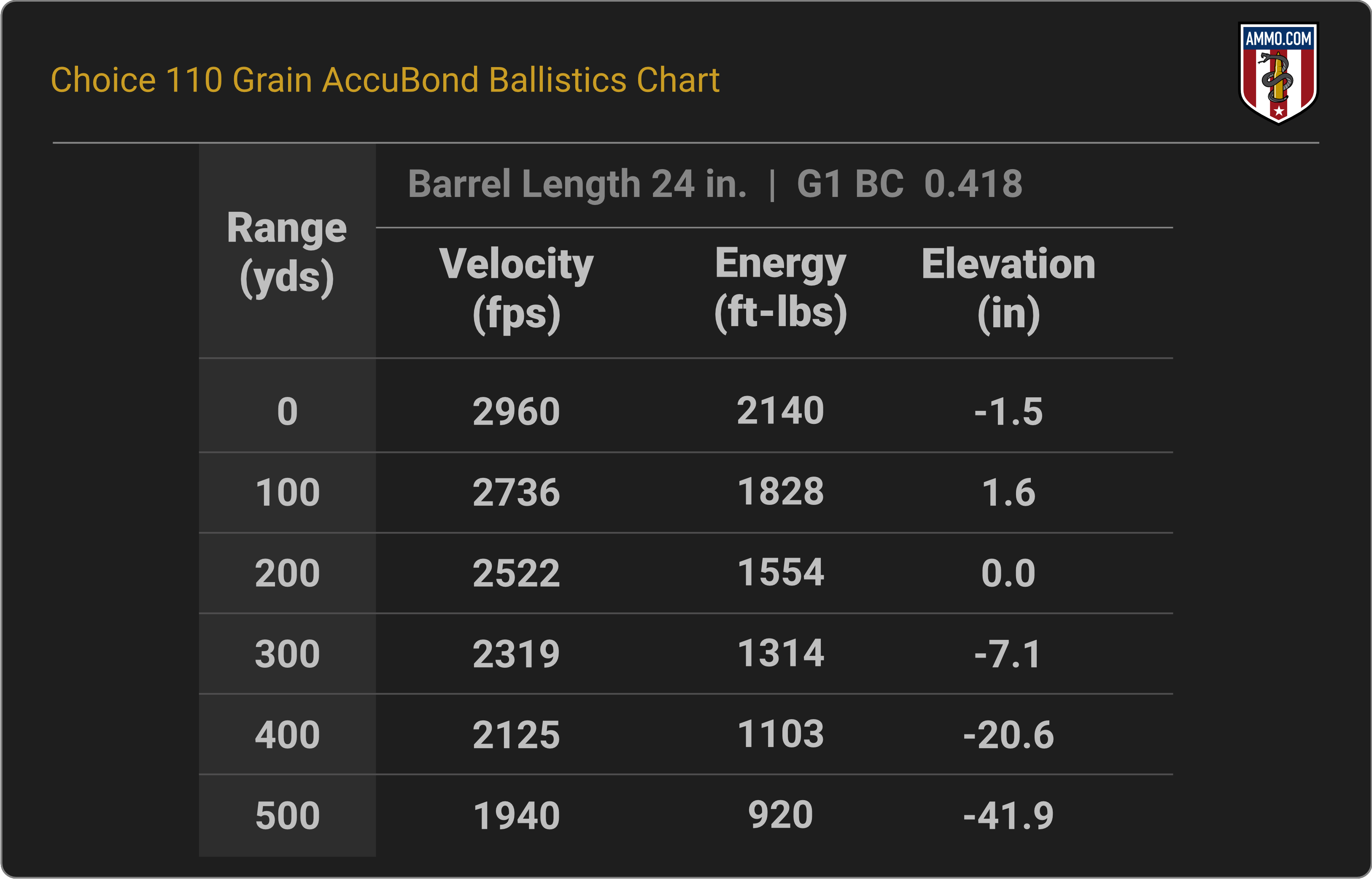
110 Grain Nosler AccuBond
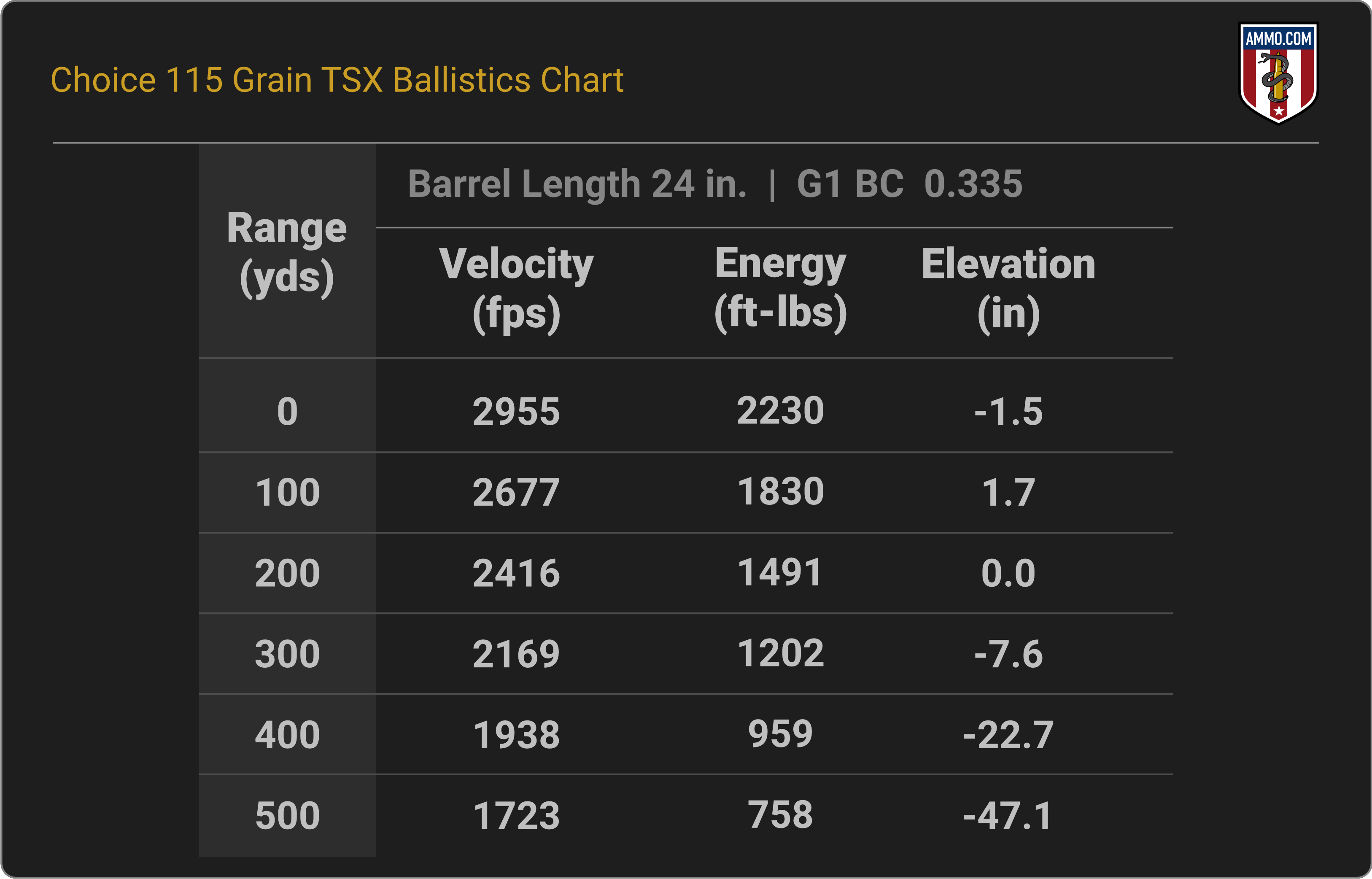
115 Grain Barnes TSX
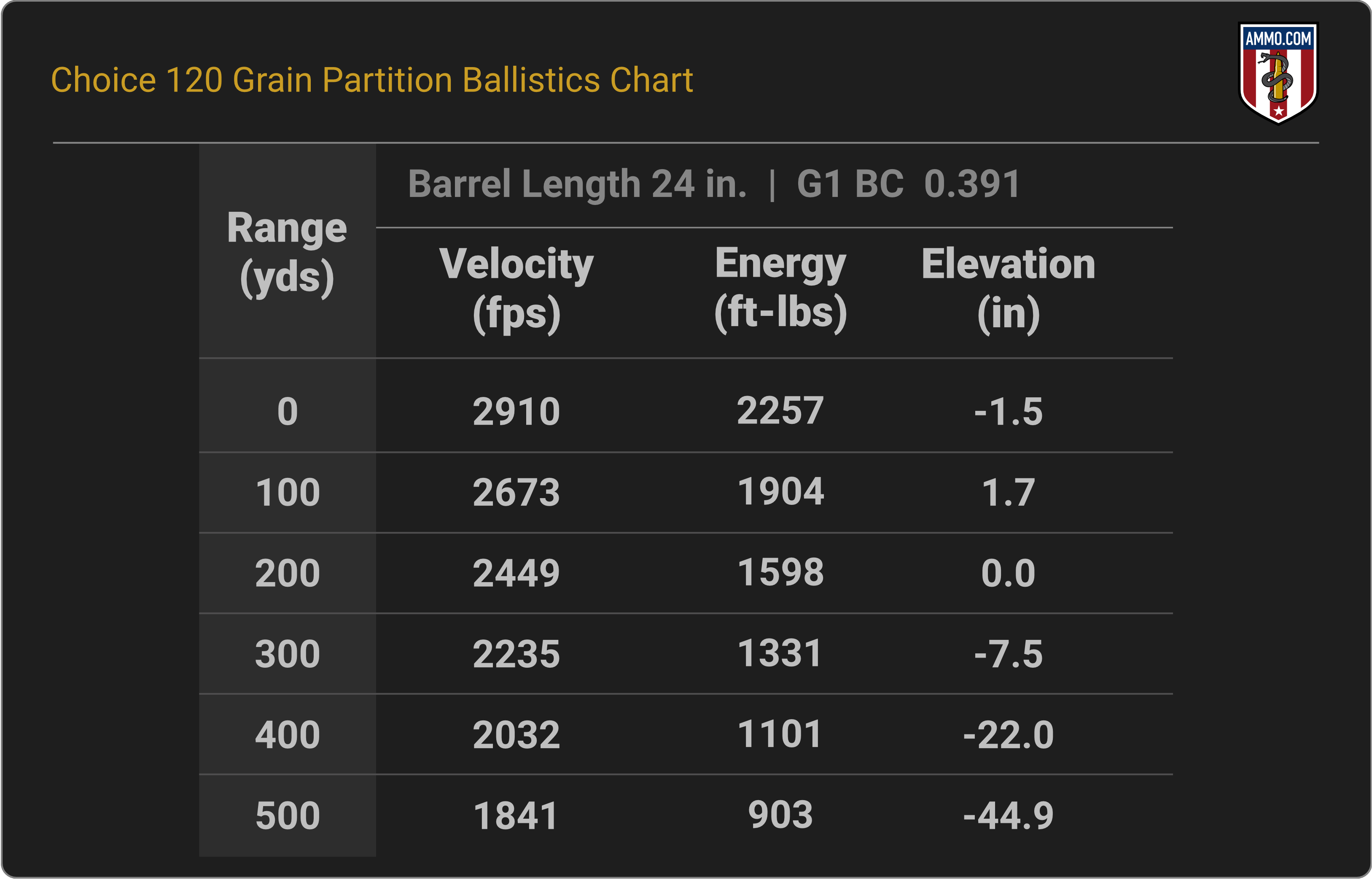
120 Grain Nosler Partition
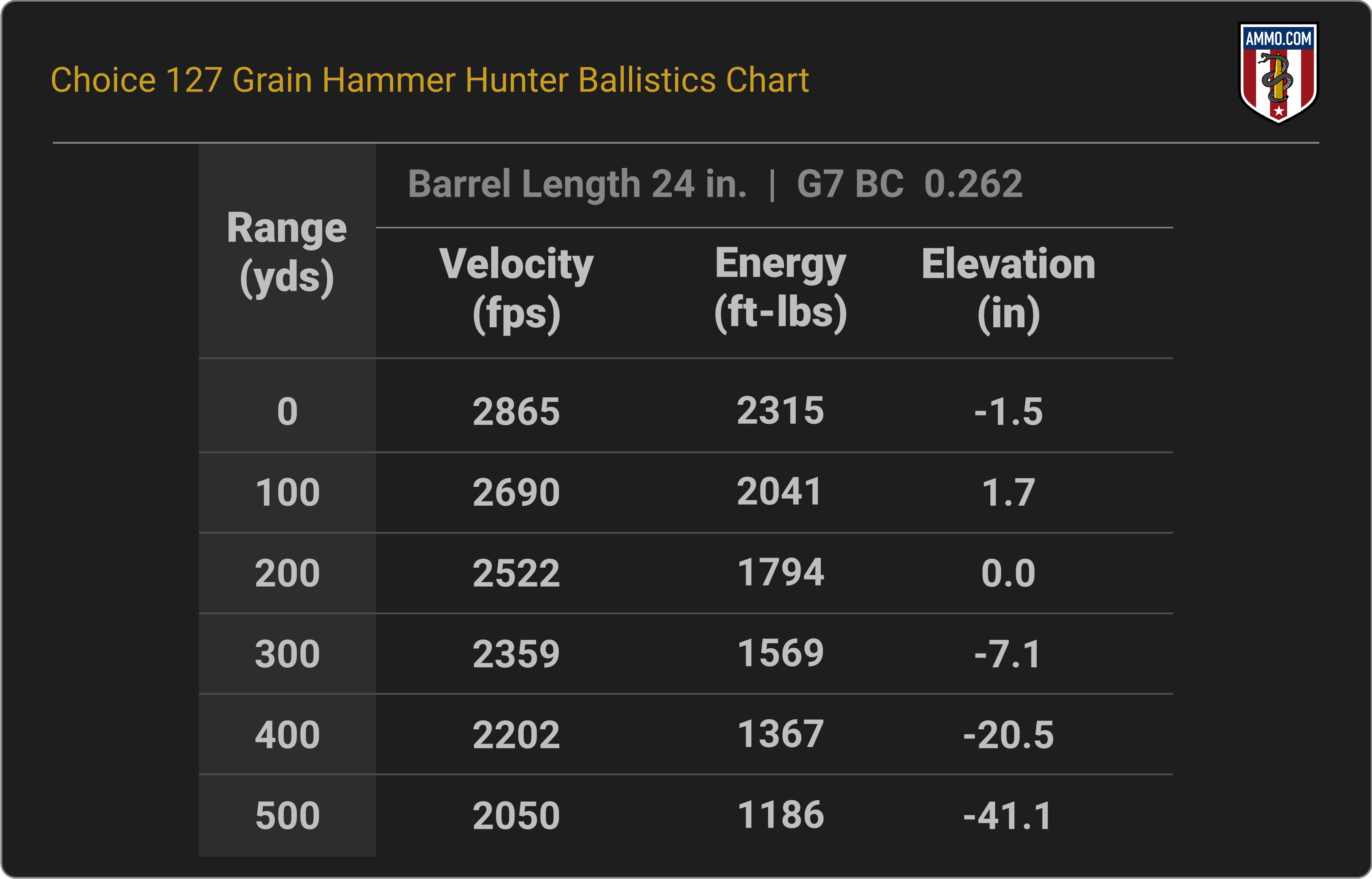
127 Grain Hammer Hunter
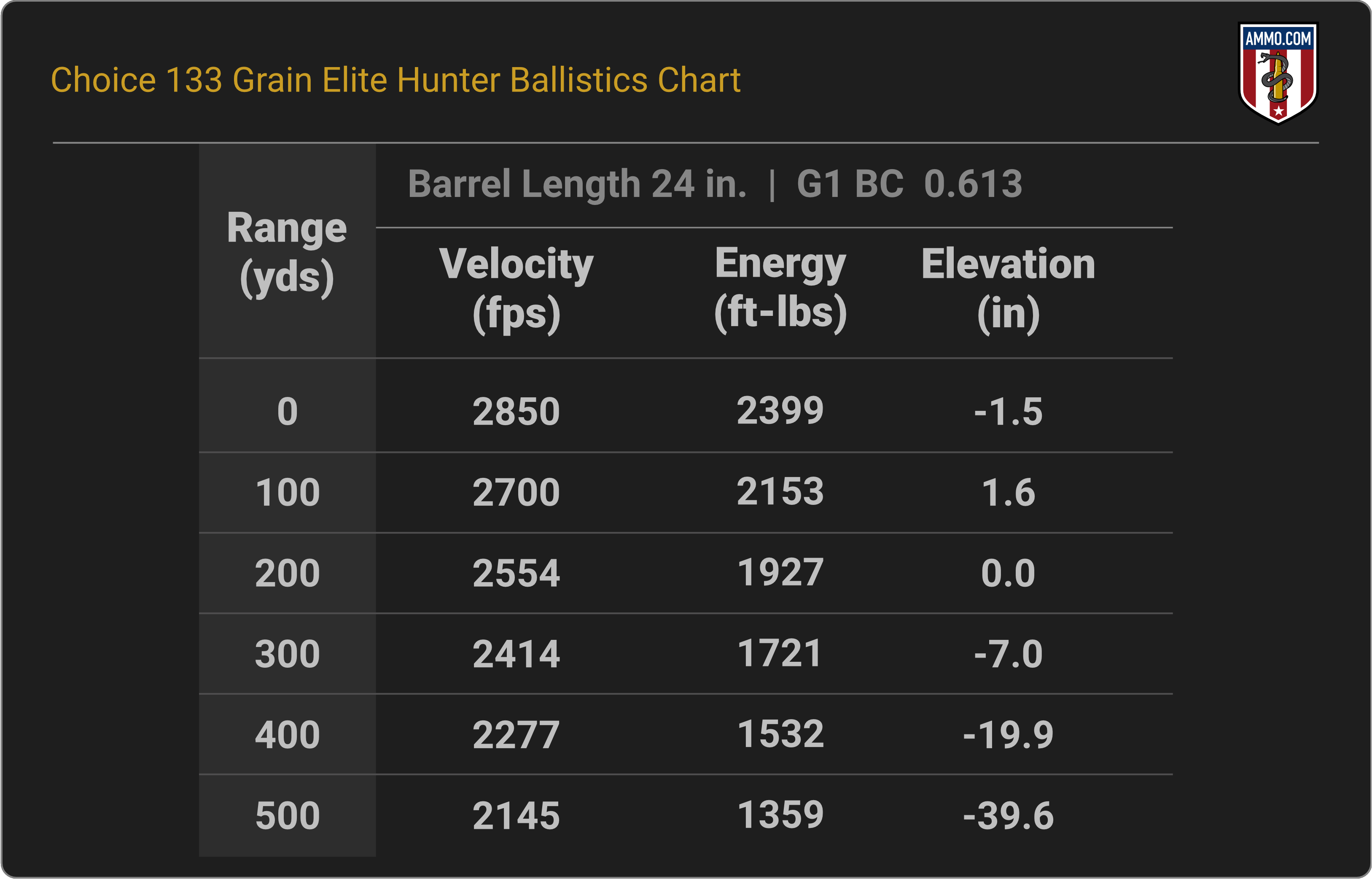
133 Grain Berger Elite Hunter
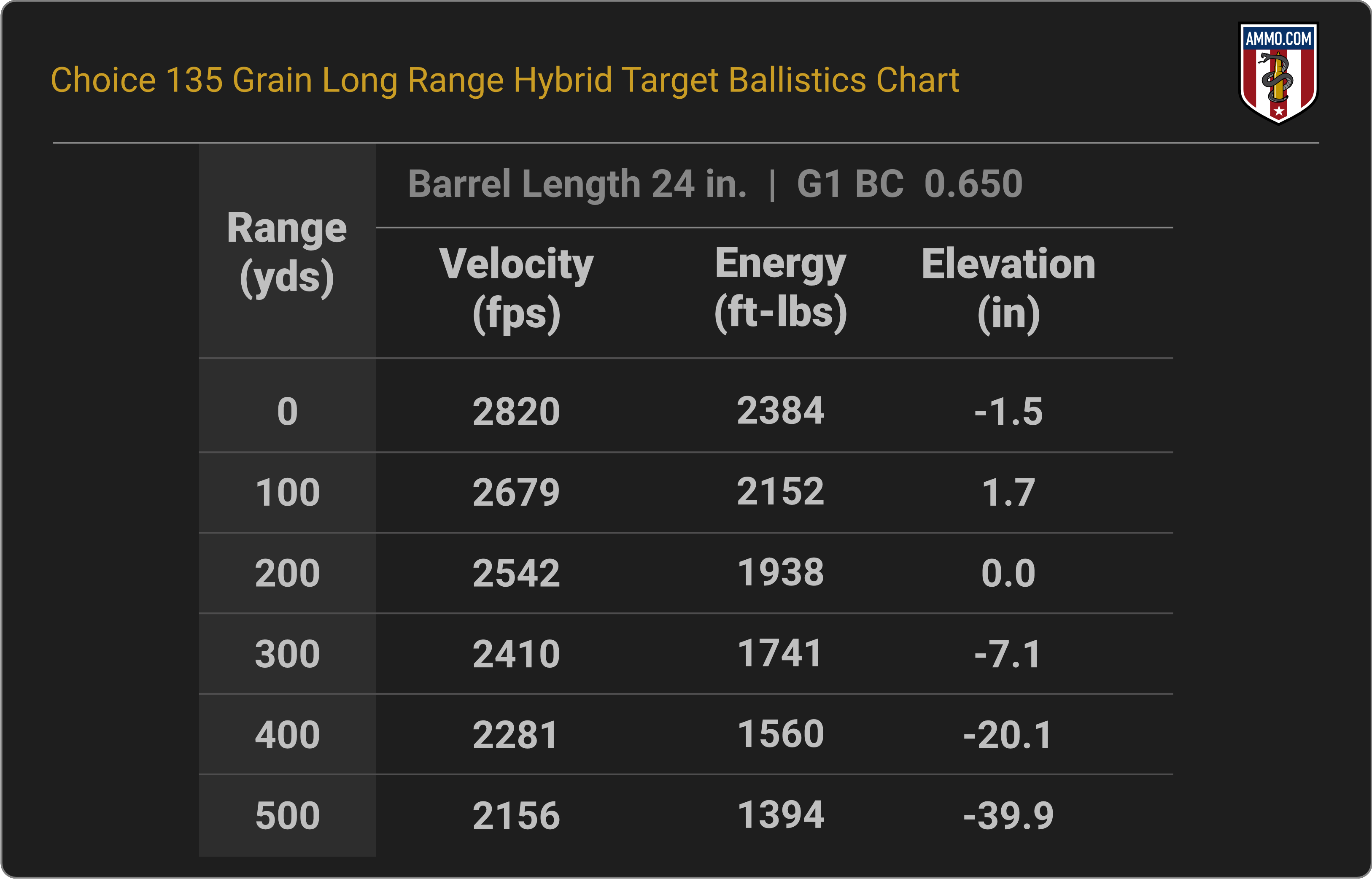
135 Grain Berger Hybrid
Hornady Ammunition
Jump to a ballistics chart: 112 Grain CX | 128 Grain ELD-X | 134 Grain ELD Match
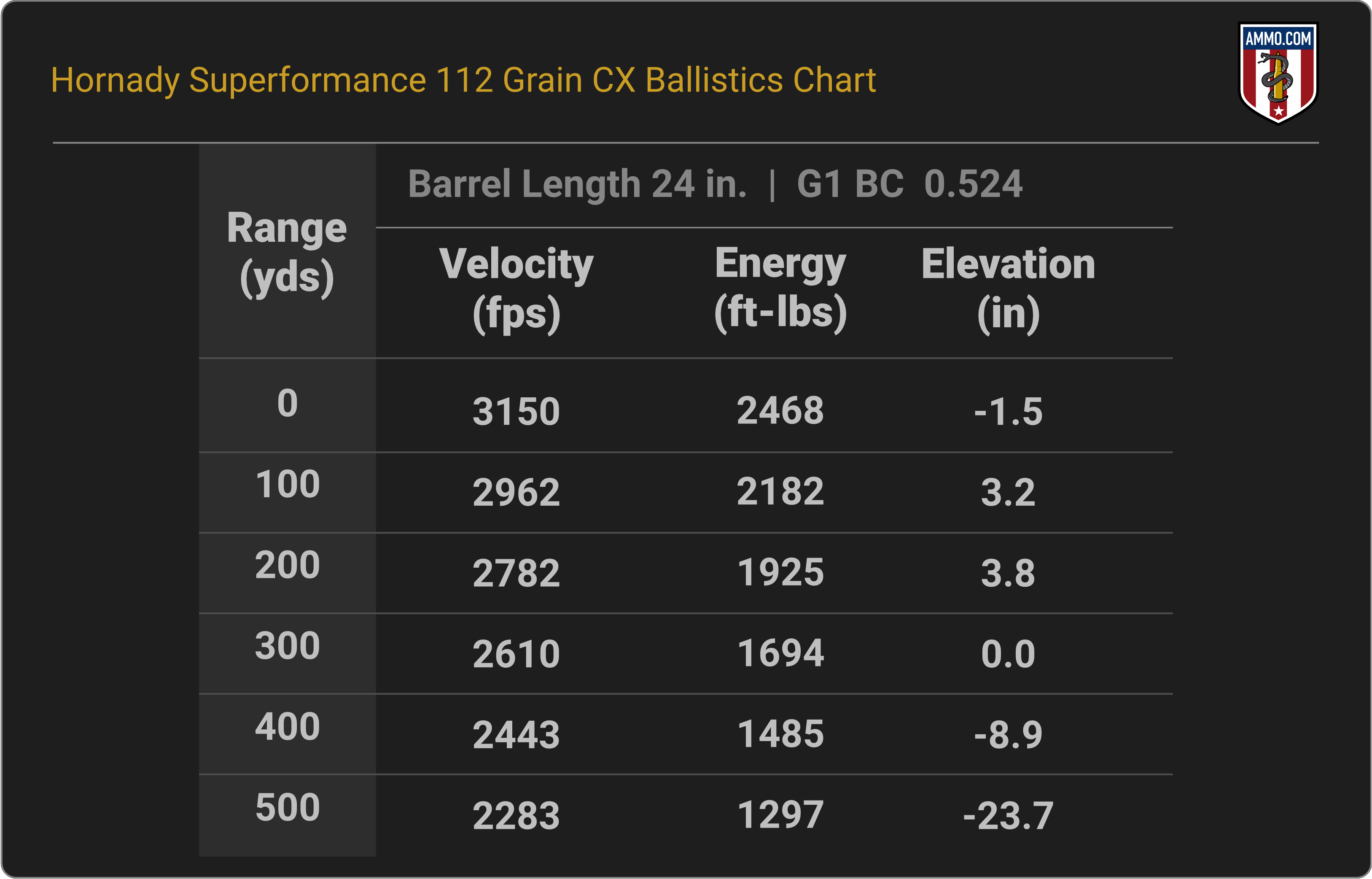
112 Grain CX
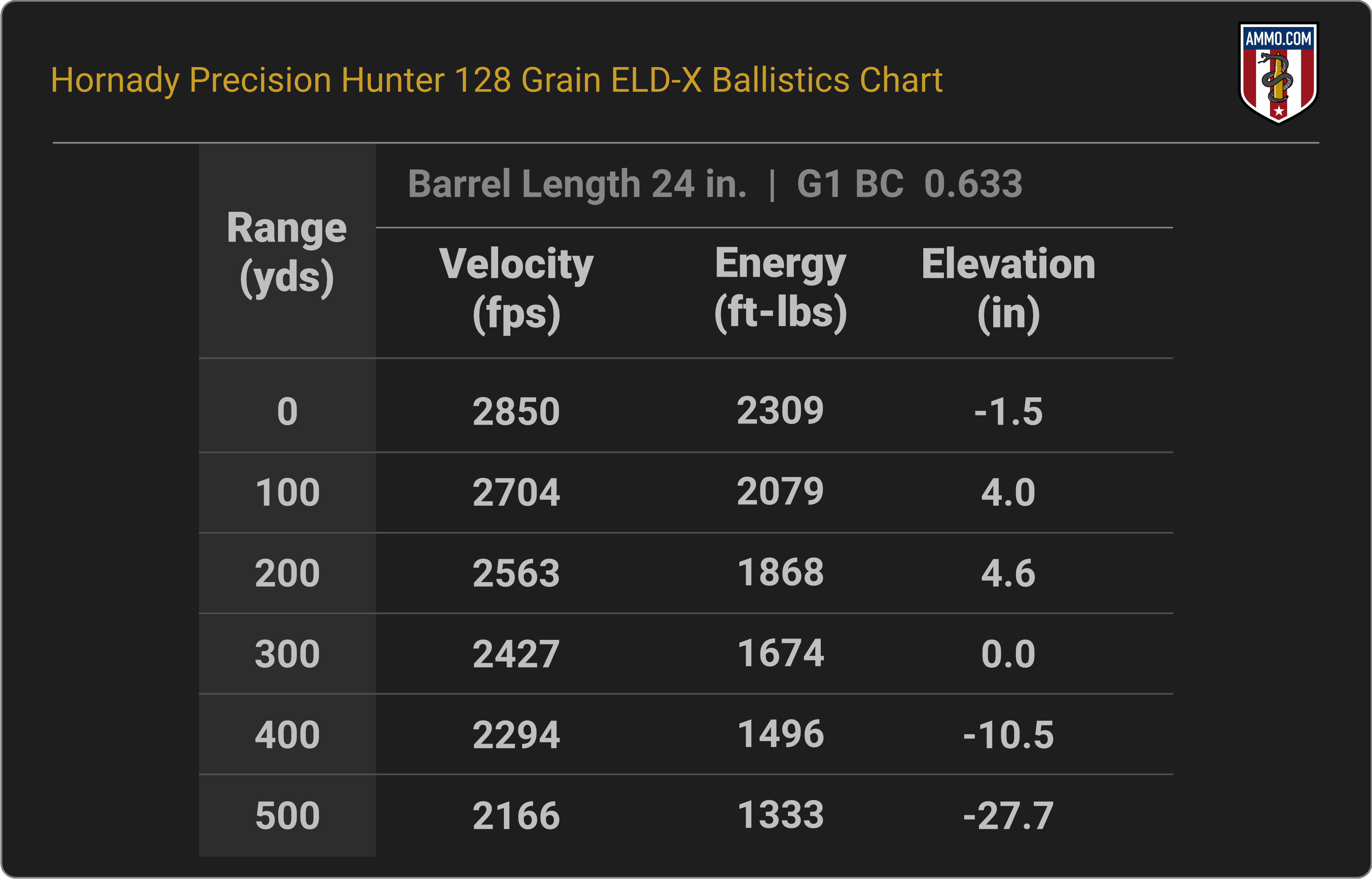
128 Grain ELD-X
134 Grain ELD Match
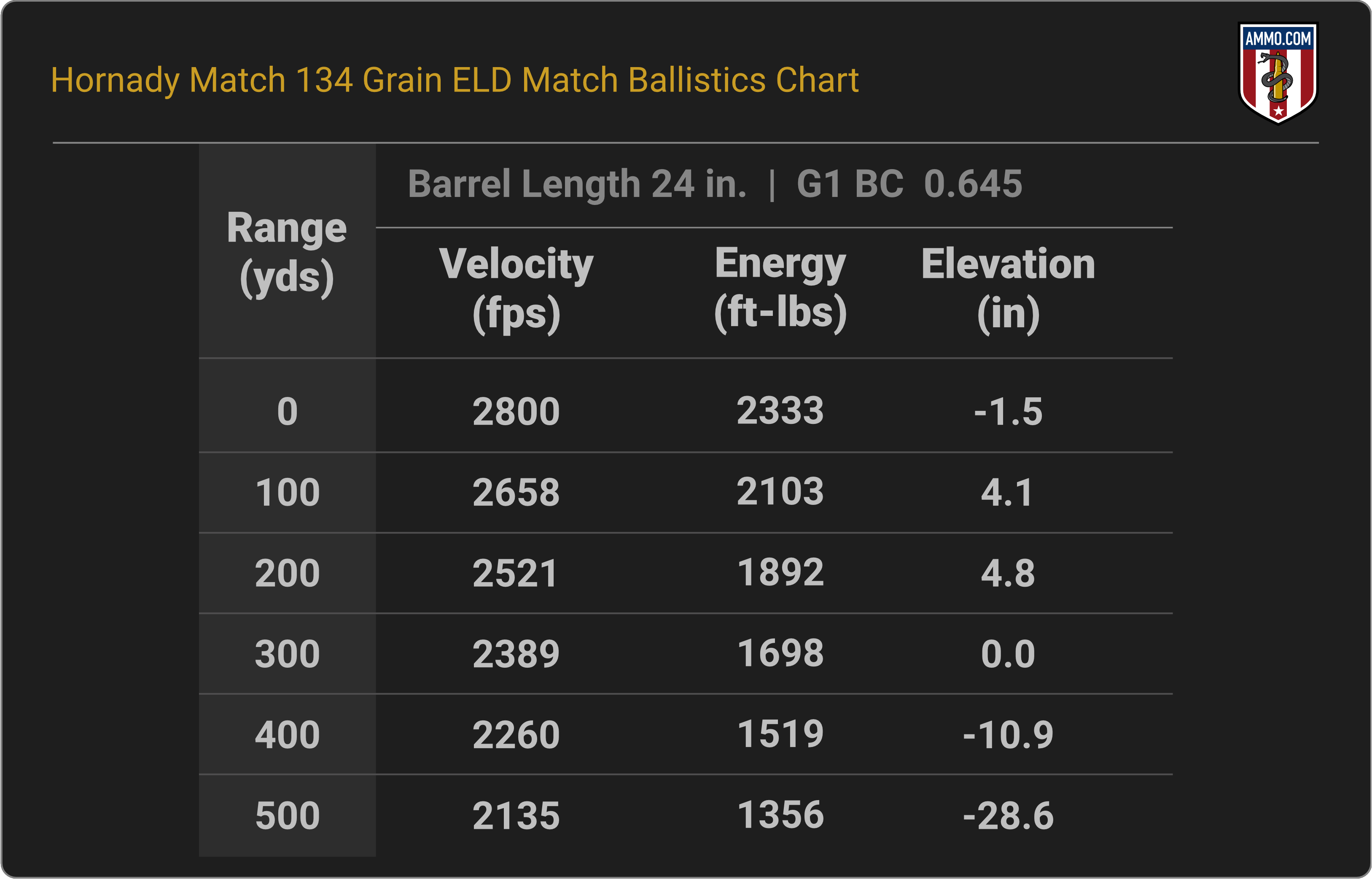
Administrative Note: The information above is provided by ammo manufacturers. Actual ballistics obtained with your firearm can vary considerably from advertised ballistics. Also, ballistics can vary from lot to lot with the same brand and type. When the manufacturer's ballistic data was unavailable, ballistics were calculated using a ballistics calculator.
25 Creedmoor Trajectory Chart
A bullet's flight path is its trajectory. We measure the bullet's drop throughout its trajectory in inches, though it's also often expressed in minutes of angle (MOA).
A flatter trajectory is preferable because the shooter will require fewer adjustments to compensate for bullet drop at varying distances. The 6.5 Creedmoor is a great example of a flat-trajectory cartridge, which is why it's so popular among long-distance shooting enthusiasts.
The 25 Creedmoor fills the niche between 6mm Creedmoor and 6.5 Creedmoor. It doesn't have as flat a trajectory as the 6.5 Creedmoor, but it's comparable.
Here is a sample 25 Creedmoor bullet drop chart to give you a general idea of the 25 Creedmoor's trajectory.
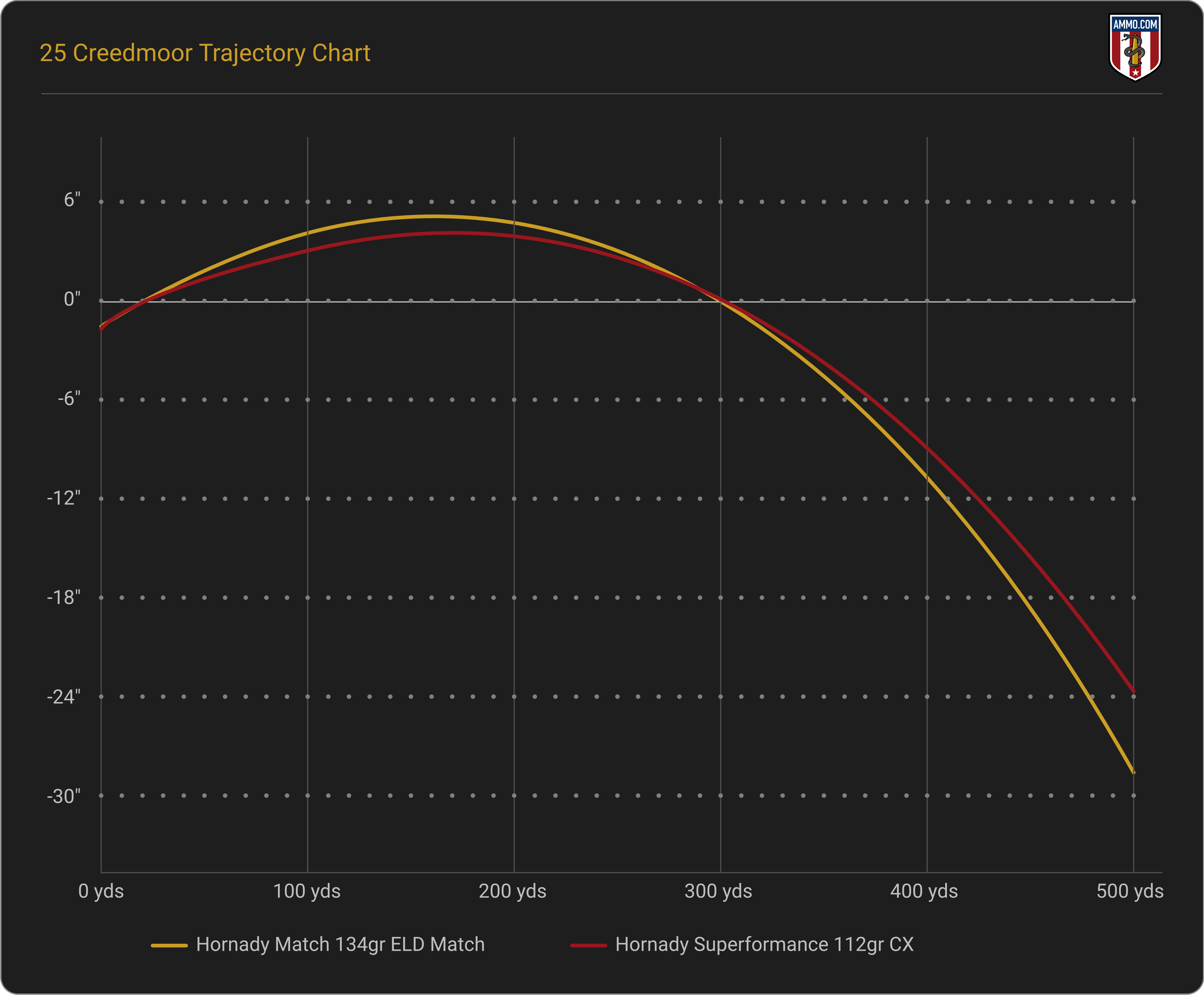
Note: The chart above is an example of one 25 CM load. Actual ballistic performance varies depending on bullet weight, lot, barrel length, and environmental conditions.
25 Creedmoor Velocity
Muzzle velocity is the rate at which a bullet exits the barrel. It is measured in feet per second (fps). Typically, a longer barrel produces a higher muzzle velocity, as it gives exploding propellant more time to exert its energy against the base of the projectile.
The 25 Creedmoor's lightweight bullets achieve high muzzle velocities, which contribute to their flat trajectories.
It's reasonable to expect a muzzle velocity of 3,150 to 2,800 fps from factory-loaded 25 Creedmoor rounds. The 25 Creedmoor rifle cartridge also maintains superior velocity downrange. A typical 134 grain bullet still blazes at 500 yards at 2,135 fps.
25 Creedmoor Kinetic Energy
A projectile's kinetic energy is measured in foot-pounds (ft-lbs). Muzzle energy is the amount of force a bullet possesses the moment it leaves the barrel. Heavier bullets tend to have higher muzzle energy, but lower velocity, and velocity also matters when determining the kinetic energy of a bullet.
Here is an example of the significance of velocity. A 112 grain 25 Creedmoor bullet with a muzzle velocity of 3,150 fps gains 2,467 ft-lbs of energy at the muzzle. A 128 grain bullet with a muzzle velocity of 2,850 fps gains 2,308 ft-lbs. In contrast, a 134 grain bullet with a muzzle velocity of 2,800 fps gains only 2,333 ft-lbs.
At 500 yards, the 112 grain bullet conserves 1,280 ft-lbs of energy. The 128 grain bullet, 1,333 ft-lbs; the 134 grain bullet,1,356 ft-lbs. In summary, while heavier projectiles might have a lower muzzle energy, they conserve a higher percentage of their energy over longer distances..
25 Creedmoor Effective Range
The 25 Creedmoor has an excellent effective range for target shooting and hunting. Since 25 Creedmoor bullets maintain over 1,000 ft-lbs of energy out to ~600 yards, the maximum effective range for hunting is generally considered to be that distance. For target shooting, 1,000+ yards is very manageable for a well-trained long-distance shooter.
How Do 25 Creedmoor Ballistics Compare to Other Rifle Cartridges?
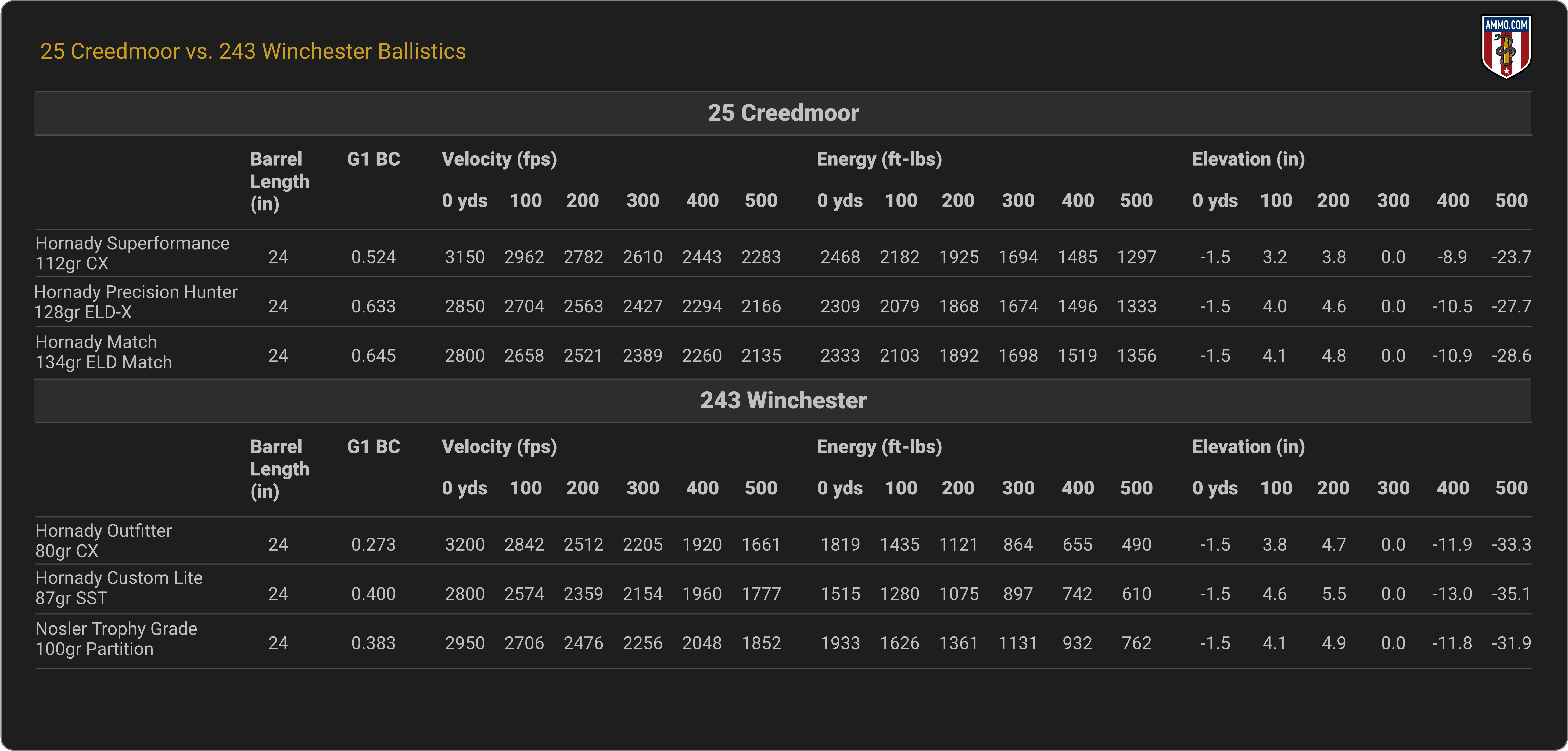
The 25 Creedmoor is nestled between the 6mm Creedmoor and the 6.5mm Creedmoor, offering shooters and hunters comparable ballistics to both with minor compromises. For a detailed breakdown of how those two sibling cartridges stack up against each other, see our 6mm Creedmoor vs 6.5 Creedmoor comparison. Many shooters also compare the 25 Creedmoor to the 25-06 and 243 Winchester. Below, we provide simple comparisons of those cartridges' ballistics.
25 Creedmoor vs. 6mm Creedmoor
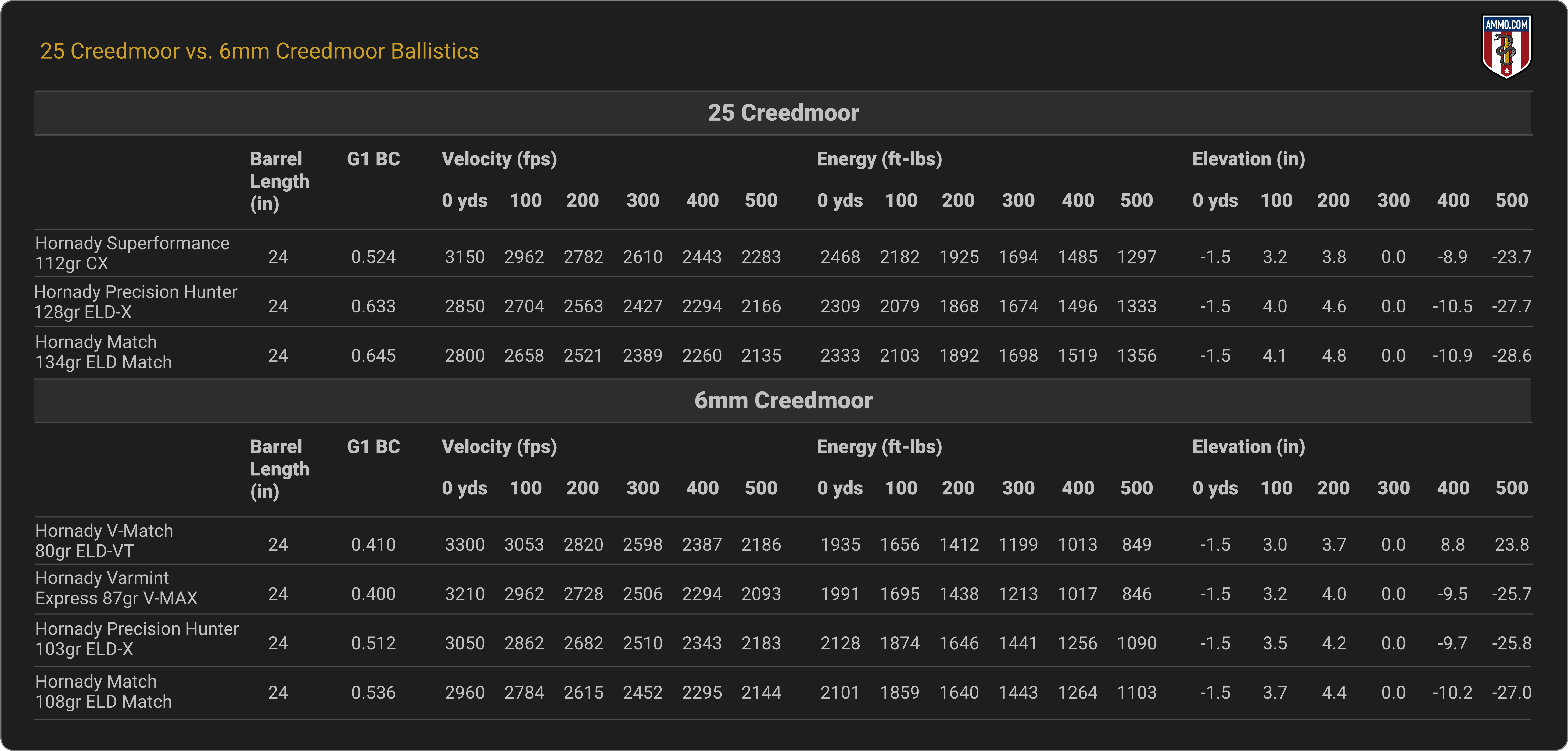
For complete performance data on this lighter-recoiling Creedmoor variant, explore our 6mm Creedmoor ballistics guide.
25 Creedmoor vs. 25-06 Remington
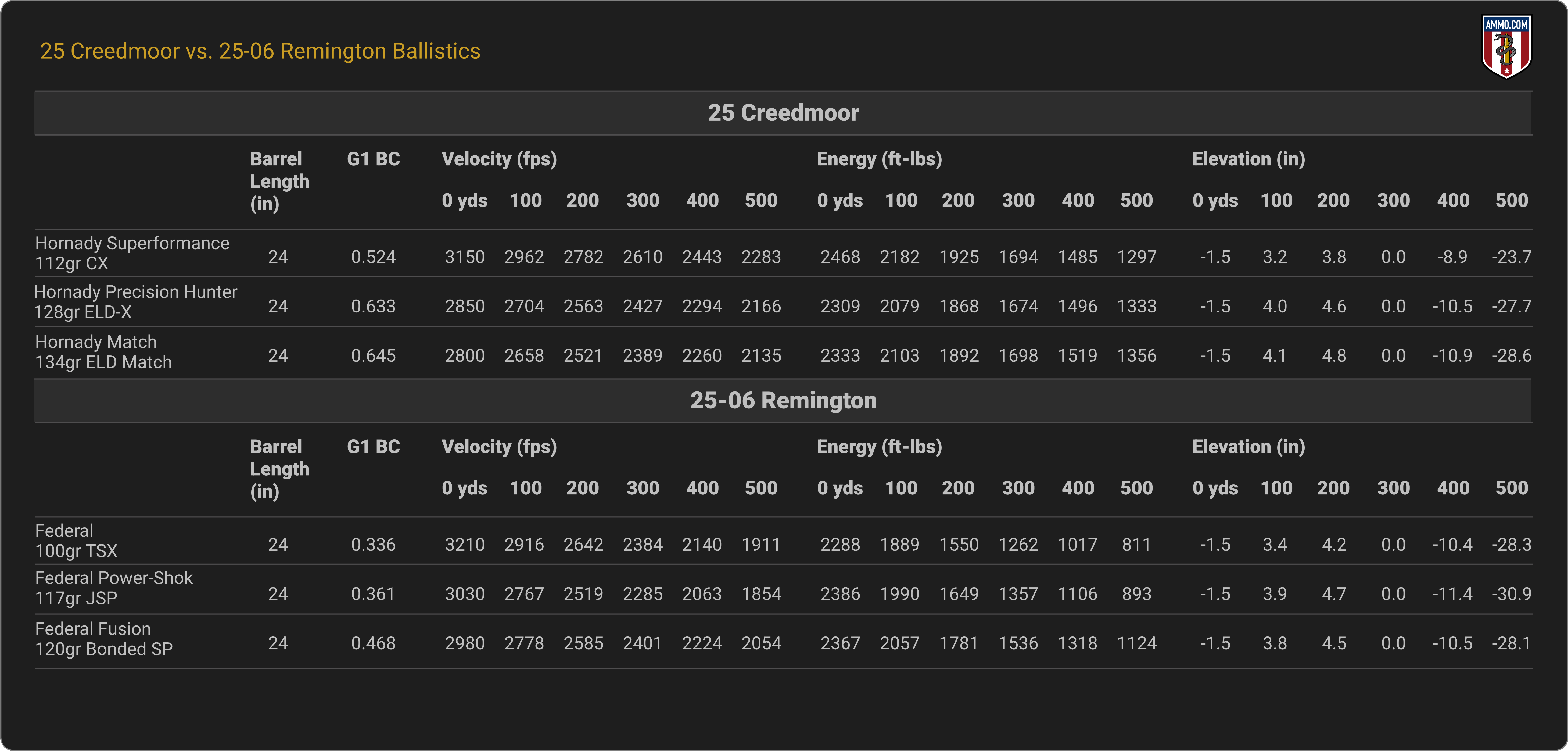
25 Creedmoor vs. 6.5 Creedmoor
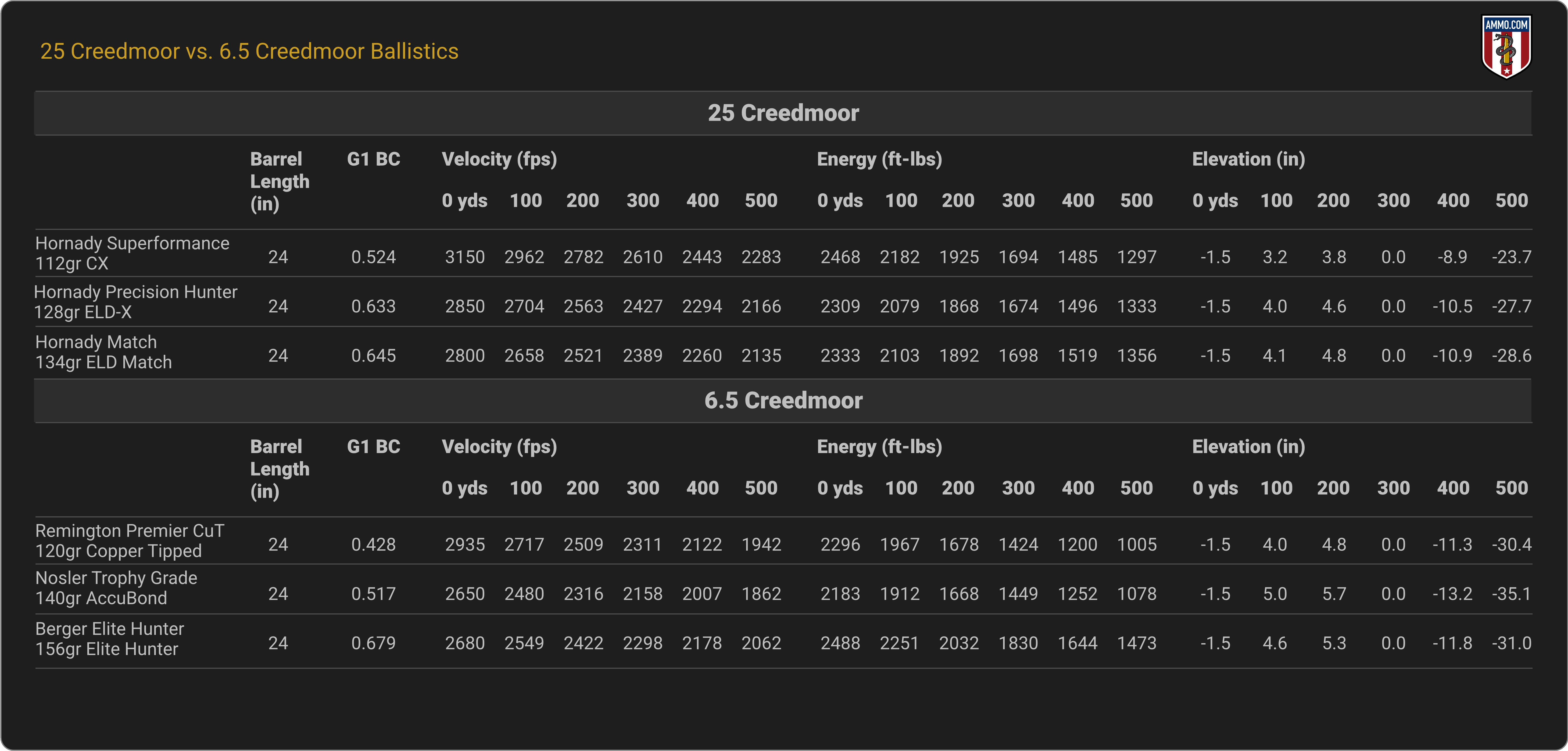
The 6.5 Creedmoor is the parent case for the 25 Creedmoor, necked down to accept a smaller .257 caliber bullet. Ready to stock up on the parent cartridge? Browse our selection of 6.5mm Creedmoor ammo.
25 Creedmoor vs. 243 Winchester
Frequently Asked Questions
The Ammo.com team has compiled and answered some of the most frequently asked questions about 25 Creedmoor ballistics.
What Does a 25 Creedmoor Compare to?
A 25 Creedmoor compares to a 6mm Creedmoor, 6.5mm Creedmoor, 25-06 Rem, and 243 Win. Shooters interested in a smaller Creedmoor family cartridge should also explore 22 Creedmoor ballistics.
What Is a 25 Creedmoor Good for?
A 25 Creedmoor is good for target shooting out to 1,000+ yards and deer hunting out to ~600 yards.
What Is the Difference Between 6mm Creedmoor and 25 Creedmoor?
The difference between 6mm Creedmoor and 25 Creedmoor is that 6mm Creedmoor offers less recoil, but slightly flatter trajectories. The 25 Creedmoor drifts in the wind less and conserves more energy downrange.
Subscribers Save Up to 15% on Ammo
Join hundreds of thousands of shooters getting first access to limited-time sales, price drops, and 2A news – delivered weekly. Private, no spam, one-click unsubscribe.

Ballistic Charts
- 308 Ballistics Charts
- 6mm ARC Ballistic Charts
- 10mm Auto Ballistics Charts
- 224 Valkyrie Ballistics Charts
- 204 Ruger Ballistics Charts
- 30-30 Ballistics Charts
- 6.8 SPC Ballistics Charts
- 350 Legend Ballistics Charts
- 300 Blackout Ballistics Charts
- FN 5.7x28 Ballistic Charts
- 7.62x39 Ballistics Charts
- 22 Creedmoor Ballistics Charts
- 300 PRC Ballistics Charts
- .360 Buckhammer Ballistics Charts
- 8.6 Blackout Ballistics Charts
- 30-06 Ballistics Charts
- 44 Magnum Ballistics Charts
- 7mm-08 Ballistics Charts
- 7mm Rem Mag Ballistics Charts
- 300 Win Mag Ballistics Charts
- 270 Win Ballistics Charts
- 45 Long Colt Ballistics Charts
- 6.5 Creedmoor Ballistics Charts
- 40 S&W Ballistics Charts
- 243 Win Ballistics Charts
- 357 Magnum Ballistics Charts
- 380 ACP Ballistics Charts
- 45 ACP Ballistics Charts
- 223 Rem Ballistics Charts
- 450 Bushmaster Ballistics Charts
- 400 Legend Ballistics Charts
- 5.56 Ballistics Charts
- 9mm Ballistics Charts
- 28 Nosler Ballistics Charts
- 45-70 Ballistics Charts
- 6.5 PRC Ballistics Charts
- 22-250 Ballistics Charts
- 22 Hornet Ballistics Charts
- 7mm PRC Ballistics Charts
- 22 ARC Ballistics Charts
- 6.8 Western Ballistics Charts
- 7mm Backcountry Ballistics Charts
- 338 ARC Ballistics Charts
- 25 Creedmoor Ballistics Charts
- 300 WSM Ballistics Charts
- 300 WSM Ballistics Charts
- 6mm Creedmoor Ballistics Charts
- 277 Fury Ballistics Charts
- 338 Lapua Ballistics Charts
- 25-06 Ballistics Charts
- 50 BMG Ballistics Charts
- 17 HMR Ballistics Charts
- 338 Win Mag Ballistics Charts
- 6.5 Grendel Ballistics Charts
- 458 Socom Ballistics Charts
- 35 Whelen Ballistics Charts
- 260 Remington Ballistics
- 444 Marlin Ballistics
- 38 Special Ballistics