5.45 vs. 5.56: Are These Cartridges That Different?
The 5.45x39mm vs. 5.56x45mm: two historied cartridges that have battled it out on the front lines for decades. That leaves many shooting enthusiasts wondering which is better. As you continue reading, you’ll learn the differences between the two cartridges – and which one is better for your shooting needs. Let’s compare and contrast 5.45 vs. 5.56!
Overview of the 5.45x39mm and 5.56x45mm


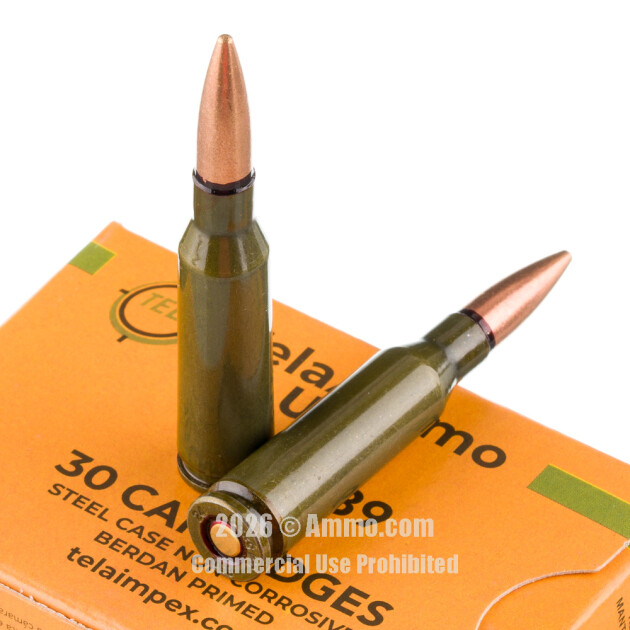
Tela Impex 5.45x39 Ammo - 750 Rounds of 65 Grain FMJ Ammunition
Out of stock
The 5.45x39mm was developed by the Soviet Union and adopted into service in 1974 for use in the AK-74 rifle. The Soviets’ goal had been to develop a cartridge similar to NATO allies’ 5.56x45mm (but not so similar that allies could use captured stashes of Russian ammo in combat). To this end, they were successful.
The 5.56x45 was developed by FN Herstal. The nearly identical 223 Remington had been developed by Remington and Fairchild Industries for the U.S. Continental Army Command (CONARC) in 1957. The 5.56 was officially adopted by the U.S. Armed Forces in 1963, primarily for use in the M16 rifle.
Both cartridges allow soldiers to carry more ammunition into battle (relative to larger rifle cartridges, such as the 7.62x51mm NATO and 7.62x54mm), have low recoil, and offer similar ballistic performance to one another when loaded with similar bullets.
5.45 and 5.56 Pros and Cons
| 5.45 | 5.56 | ||
|---|---|---|---|
| Pros | Cons | Pros | Cons |
| Low recoil | Limited stopping power | Low recoil | Limited stopping power |
| Lightweight | Older USSR surplus may be corrosive | Lightweight | |
| Flat trajectory | High availability | ||
| Good effective range | Limited availability | Inexpensive | |
Ballistics Comparison: Velocity, Energy, and Bullet Drop
Note: The following information comes from ammunition manufacturers. Actual ballistics obtained with your firearm can vary considerably from those advertised. Also, ballistics can vary from lot to lot with the same brand and load type.
| Cartridge | Bullet | Barrel Length (in) | G1 BC | Velocity (fps) | Energy (ft-lbs) | Elevation (in) | |||||||||||||||
|---|---|---|---|---|---|---|---|---|---|---|---|---|---|---|---|---|---|---|---|---|---|
| 0yds | 100yds | 200yds | 300yds | 400yds | 500yds | 0yds | 100yds | 200yds | 300yds | 400yds | 500yds | 0yds | 100yds | 200yds | 300yds | 400yds | 500yds | ||||
| 5.56x45 | 60gr Ballistic Tip | 24 | 0.270 | 3200 | 2838 | 2505 | 2195 | 1908 | 1647 | 1,364 | 1,074 | 836 | 642 | 485 | 361 | -1.5 | 1.4 | 0.0 | -7.0 | -21.2 | -45.1 |
| 5.45x39 | 60gr V-MAX | 16 | 0.285 | 2810 | 2495 | 2202 | 1929 | 1678 | 1456 | 1,052 | 830 | 646 | 496 | 375 | 282 | -1.5 | 2.1 | 0.0 | -9.3 | -28.0 | -59.1 |
Recoil and Shooting Experience
Having owned several 5.56 rifles over the years, I’ve lost count of the number of times new shooters have shown surprise by how little it kicks. You can expect 5 to 6 ft-lbs of recoil energy hitting your shoulder while firing a 7-pound rifle. (That’s comparable to your buddy gently punching you.) The 5.56 is one of my favorite cartridges for shooting targets within 200 yards because it’s accurate, and its low recoil means I can spend hours at the range without earning a sore shoulder.
The 5.45x39 delivers even lighter recoil. You can expect 2.5 ft-lbs of energy pushing against your shoulder while firing an AK-74. That’s hardly noticeable. Its gentle kick allows quicker follow-up shots and better accuracy. The 5.45 is known for its high velocity and relatively flat trajectory, which both contribute to its generous effective range.
Accuracy and Effective Range
Both cartridges are highly accurate in the hands of a capable shooter. The 5.45x39 tends to have an effective range of up to 500 yards, while the 5.56 boasts an effective range out to 600.
Penetration and Terminal Ballistics
Penetration depth and terminal ballistics are highly dependent on bullet selection. Most 5.45x39mm bullets are designed to tumble upon impact, which can establish a large wound cavity. On the other hand, most 5.56x45mm bullets are designed to fragment upon impact, which can inflict more soft tissue damage. The 5.56 has a slight advantage in stopping power and wounding potential, whereas the 5.45 offers superior penetration against light barriers.
5.45 vs. 5.56 Cartridge Specs
| 5.45x39 | 5.56x45 | |
|---|---|---|
| Parent Case | 7.62x39mm | 223 Remington |
| Bullet Diameter | 0.220" | 0.224" |
| Neck Diameter | 0.248" | 0.253" |
| Base Diameter | 0.394" | 0.377" |
| Case Length | 1.568" | 1.760" |
| Overall Length | 2.244" | 2.260" |
| Case Capacity | 27.0 grains H2O | 28.5 grains H2O |
| Max Pressure | 51,488 psi (C.I.P.) | 62,366 psi (EPVAT) |
As you can see in the specs table, the 5.45x39 was derived from the 7.62x39mm, which was originally designed for the AK-47. The Soviets developed the 5.45x39 using a similar case design with a smaller bullet diameter, creating a more modern intermediate cartridge with improved ballistics.
Which Is Better for Home Defense or Tactical Shooting?


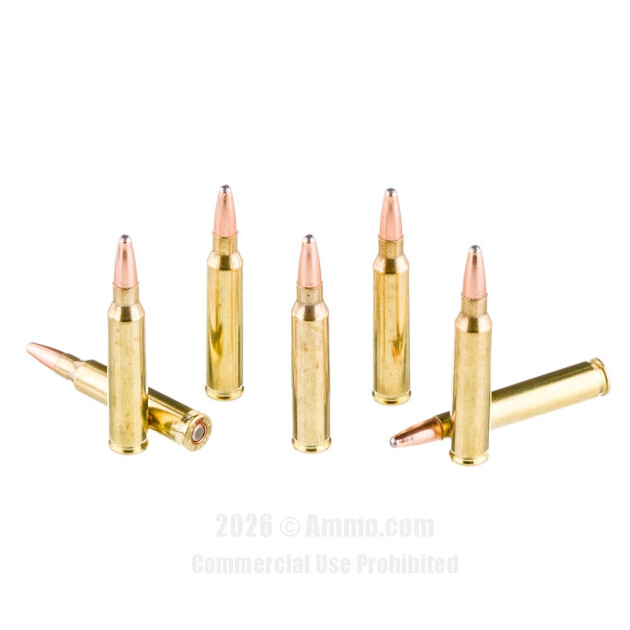
Hornady BLACK 5.56x45 Ammo - 200 Rounds of 75 Grain InterLock HD SBR Ammunition
26 In stock now
I don't typically recommend using a rifle for home defense. The risk of over-penetration is too high compared to a pistol or shotgun. However, if I were forced to choose between only the 5.45 and 5.56, then as a true red, white, and blue-blooded American, I would choose the 5.56 as the better cartridge for home defense and tactical shooting. It is loaded with a wider selection of bullets, easier to find for sale, and significantly less expensive to train with.
Which Is Better for Hunting?
The 5.56 is better for hunting because it has many more bullet options designed for hunting. Both will work for small and some medium game. Varmint hunting is where the 5.56 shines best.
Which Is Better for Range Shooting?
If you live in the U.S., the 5.56 is the better choice for range shooting because there is much more ammo available at lower prices. While the recoil of the 5.45 is lighter, the 5.56 is hardly a shoulder bruiser. Ultimately, either round's recoil is inconsequential.
For affordable range ammo, check out our selection of PMC 5.56 ammo.
Final Verdict: 5.45 or 5.56?
For those of us in the U.S., it's a no-brainer: the 5.56 is the better option. It has slightly more recoil (even though it's technically double, it's barely noticeable), but there is also a wider selection of higher-quality and lower-priced ammo. Ballistic performance is similar (when both rounds are loaded with similar bullets), but the 5.56 tends to be more versatile than the 5.45, all the same.

Compare Ammo by Cartridge
190 head-to-head comparisons, grouped by platform. Find your cartridge, tap to open its matchups:
Handgun
23 cartridges
9mm 19
- .380 ACP vs 9mm
- 9mm vs 45 ACP
- 9mm vs 40 S&W
- .357 SIG vs 9mm
- 10mm vs 9mm
- 9mm vs 9mm Luger
- 9mm vs 40 vs 45
- 357 Magnum vs 9mm
- 5.7 vs 9mm
- 22 vs 9mm
- 9mm Makarov vs 9mm Luger
- 32 ACP vs 9mm
- 38 Special vs. 9mm
- 30 Super Carry vs. 9mm
- 5.56 vs 9mm
- .50 Action Express vs 9mm
- 7.62x25 vs. 9mm
- 38 Super vs. 9mm
- 25 ACP vs. 9mm
45 ACP 12
357 Magnum 7
44 Magnum 7
10mm 6
38 Special 5
25 ACP 2
32 ACP 2
357 SIG 2
454 Casull 2
30 Super Carry 1
38 S&W 1
45 GAP 1
460 Rowland 1
460 S&W 1
7.62x25 Tokarev 1
9mm Makarov 1
Rifle
58 cartridges
308 Winchester 18
- .308 vs 5.56
- 6.5 Creedmoor vs .308
- .300 Blackout vs .308
- .300 Win Mag vs .308
- .243 vs .308
- .308 vs .30-06
- 7mm-08 vs .308
- .270 vs .308
- 7.62x39 vs .308
- .223 vs .308
- .338 Lapua vs .308
- 6.5 Grendel vs .308
- 450 Bushmaster vs 308
- 277 Fury vs 308
- 300 PRC vs 308
- 7.62x39 vs 7.62x51
- 7.62x54r vs. 308 Winchester
- 300 Savage vs. 308 Win
223 Remington 17
- .223 vs .308
- .223 vs 5.56
- 300 Blackout vs 223
- 224 Valkyrie vs 223
- 22-250 vs 223
- 5.7x28 vs 223
- 450 Bushmaster vs 223
- 22 Hornet vs 223
- 204 Ruger vs 223
- 30 Carbine vs 223
- 350 Legend vs 223
- 277 Fury vs 223
- 243 Win vs 223 Rem
- 22 ARC vs. 223 Rem
- 22 LR vs. 223 Rem
- 6.5 Creedmoor vs. 223 Rem
- 223 Wylde vs. 223 Rem
5.56 NATO 17
6.5 Creedmoor 16
- 6.5 Creedmoor vs .308
- 6mm Creedmoor vs 6.5 Creedmoor
- 6.8 Western vs 6.5 Creedmoor
- 243 vs 6.5 Creedmoor
- 260 Remington vs 6.5 Creedmoor
- 28 Nosler vs 6.5 Creedmoor
- 6.8 SPC vs 6.5 Creedmoor
- 6.5x55 vs 6.5 Creedmoor
- 6.5 Creedmoor vs 270
- 6.5 Grendel vs 6.5 Creedmoor
- 6.5 PRC vs 6.5 Creedmoor
- 277 Fury vs 6.5 Creedmoor
- 300 PRC vs 6.5 Creedmoor
- 6.5 Creedmoor vs. 30-06 Springfield
- 6.5 Creedmoor vs. 300 Win Mag
- 6.5 Creedmoor vs. 223 Rem
300 Win Mag 13
- .300 Win Mag vs .308
- .300 Win Mag vs .30-06
- 300 Win Mag vs 338 Lapua
- 300 PRC vs 300 Win Mag
- 300 WSM vs 300 Win Mag
- 300 Win Mag vs 338 Win Mag vs 338 Lapua Mag
- 300 Win Mag vs 300 Norma
- 28 Nosler vs 300 Win Mag
- 7mm Rem Mag vs 300 Win Mag
- 277 Fury vs 300 Win Mag
- 300 Blackout vs 300 Win Mag
- 7mm PRC vs 300 Win Mag
- 6.5 Creedmoor vs. 300 Win Mag